
Welcome to Glow Club!
Be the first to hear about new products and secret promotions, and receive personalized recommendations from MoonGlow!
-18%off your order
for subscribing

Fast delivery throughout Moldova
 FACE
 BODY
 HAIR
 INGREDIENTS
 MAKE-UP
 TRAVEL SIZE
 MEN
 KIDS
 BEAUTY GADGETS
 VEGAN
 SPECIAL CARE


 SUN PROTECTION
 OTHER CATEGORIES


 GIFT CERTIFICATES
 GIFT SETS
 BEAUTYCOIN
 BESTSELLERS
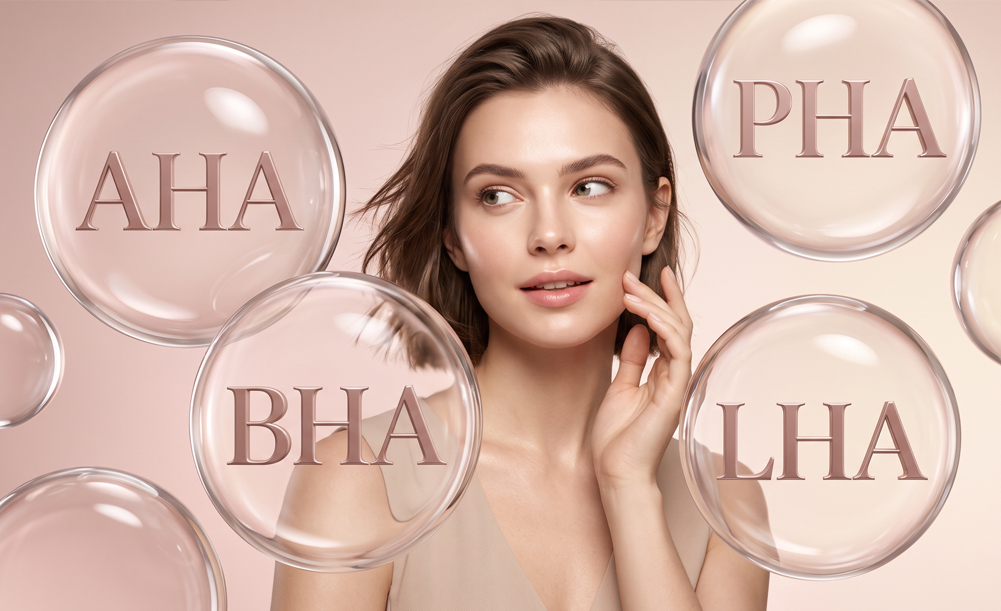
AHA, BHA, PHA, and LHA are exfoliating acids used in skincare to address different skin concerns, from clogged pores and blackheads to dark spots, uneven skin texture, and dullness. The main differences lie in how they work, their exfoliating action, and which skin types they are best suited for.
AHA acids are particularly beneficial for dark spots, uneven texture, and dull skin; BHA acids target clogged pores, blackheads, and excess sebum; PHA acids offer gentler exfoliation for sensitive skin; while LHA acids help improve the appearance of pores and skin texture through gradual, oil-soluble exfoliation.
Choosing the right exfoliating acid can help smooth skin texture, unclog pores, even out skin tone, and restore radiance. However, using an exfoliant that is too strong or applying acids too frequently can lead to dryness, stinging, redness, and a weakened skin barrier.
In this comparison guide, we’ll explain the differences between AHA, BHA, PHA, and LHA, how to choose the right acid for your skin type and concerns, how often to use exfoliating acids, and which ingredient combinations are best avoided.
You’ll also discover examples of exfoliating acid products available at MoonGlow, making it easier to build a skincare routine tailored to your skin’s needs.
| Acid Type | Best Suited For | Examples |
|---|---|---|
| AHA | Dark spots, uneven skin texture, dullness, post-acne marks | Glycolic acid, lactic acid, mandelic acid |
| BHA | Clogged pores, blackheads, excess sebum, comedones | Salicylic acid |
| PHA | Gentle exfoliation, sensitive and dehydrated skin | Gluconolactone, lactobionic acid |
| LHA | Visible pores, excess sebum, uneven skin texture | Capryloyl Salicylic Acid |
There is no single exfoliating acid that is universally better than the others. The best acid for your skin is the one that addresses your specific skin concerns and is well tolerated by your skin.
AHA stands for Alpha Hydroxy Acids. Some of the most commonly used AHAs in skincare products include:
AHAs are water-soluble acids that work primarily on the skin’s surface, helping to remove dead skin cells and support the natural skin renewal process.
AHAs may be a good choice if you are concerned about:
Glycolic acid has a relatively small molecular size and is one of the most well-known AHAs. It can be highly effective at improving skin texture and radiance, although higher-concentration formulas may be too intense for sensitive skin.
Examples Available at MoonGlow:
Lactic acid provides exfoliation while also offering humectant properties, helping the skin retain moisture. It can be a good option for:
Examples Available at MoonGlow:
Mandelic acid has a larger molecular size and generally penetrates the skin more slowly than glycolic acid. It is often chosen by people with combination, sensitive, or blemish-prone skin.
Examples Available at MoonGlow:
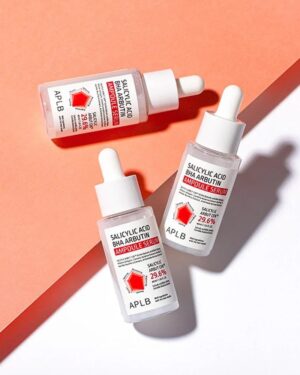
In skincare, the term BHA primarily refers to salicylic acid. Salicylic acid is oil-soluble, allowing it to work within the sebum-rich environment of the pores.
This makes BHA one of the most popular choices for addressing:
If your main concerns are blackheads and clogged pores, BHA is generally the more suitable choice.
AHAs primarily exfoliate the skin’s surface, while salicylic acid is oil-soluble and can work within the sebum-rich environment of the pores.
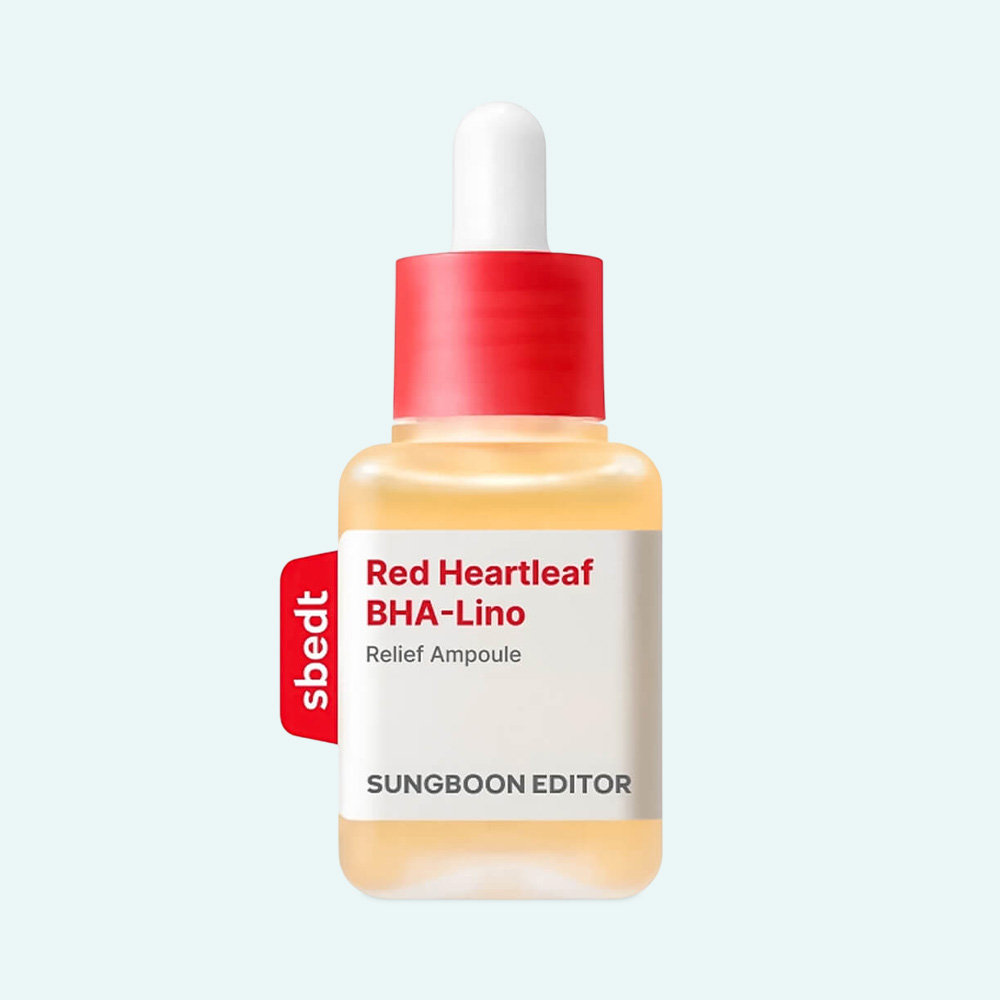
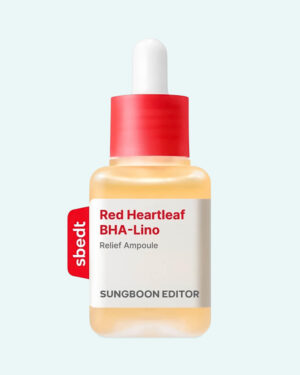
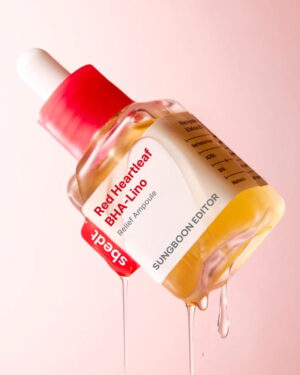
Examples Available at MoonGlow:
No.
The effectiveness of a BHA product depends on more than just its acid concentration. Other important factors include:
A gentler formula used consistently may be more suitable than a highly concentrated product applied too frequently.
PHA stands for Polyhydroxy Acids. The most common examples include:
PHAs have larger molecular structures than AHAs and tend to work more gradually on the skin’s surface. For this reason, they are commonly used in skincare products designed to provide gentler exfoliation.
PHAs may be a good option for:
Examples Available at MoonGlow:
Important: Although PHAs are generally considered gentler exfoliating acids, this does not mean they can be used without limitations. Even mild exfoliants can cause skin irritation if applied too frequently.
LHA stands for Lipohydroxy Acid. On skincare ingredient lists (INCI), it appears as Capryloyl Salicylic Acid.
LHA is an oil-soluble derivative of salicylic acid, commonly used in skincare products designed for gradual exfoliation, pore care, and improving skin texture.
However, not every LHA formula is automatically gentler than every BHA product. Skin tolerance always depends on the overall formulation.
Important: Although LHA is generally considered a gentler exfoliating acid, this does not mean it can be used without limitations. Even mild exfoliants can cause skin irritation if applied too frequently.
The recommended frequency of use depends on the acid concentration, formulation, pH level, product type, and your skin’s individual tolerance.
| Acid Type | Recommended Frequency for Beginners |
|---|---|
| AHA | 1–2 times per week |
| BHA | 1–2 times per week |
| PHA | 2–3 times per week |
| LHA | 1–2 times per week |
| AHA + BHA + PHA/LHA Products | Follow the product instructions and adjust according to your skin’s tolerance |
These frequencies are general guidelines, not universal rules. Some low-concentration formulas are designed for more frequent use, while intensive chemical peels should be used much less often.
A simple evening routine may look like this:
1. Cleansing. Remove makeup and sunscreen, then gently cleanse your skin.
2. Exfoliation. Apply your AHA, BHA, PHA, or LHA product according to the manufacturer’s instructions.
3. Hydrating or soothing serum. Choose a formula with ingredients such as:
4. Moisturizer. Choose a formula that helps maintain and support your skin’s protective barrier.
In the morning: Apply SPF sunscreen every day, especially when your skincare routine includes exfoliating acids.
Important: The advice to “avoid using these ingredients together” does not necessarily mean they are chemically incompatible. In most cases, the main concern is the cumulative risk of skin irritation.
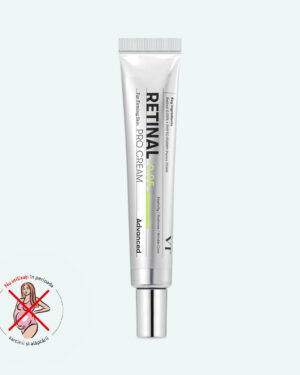
Exfoliating acids and retinoids can both be part of your overall skincare routine. However, beginners are generally advised to use them on separate evenings.
For example: Monday – exfoliating acid, Tuesday – hydrating skincare routine, Wednesday – retinol/retinal.
This approach makes it easier to monitor your skin’s tolerance and minimize the risk of irritation.
Combining an AHA toner, BHA serum, exfoliating pads, and a chemical peel does not necessarily make your skincare routine more effective. Instead, it may increase the risk of:
Both ingredients can be used in skincare routines for acne-prone skin, but applying them together may be too harsh for some people. If you’re just starting out, introduce them separately.
The beauty of a well-balanced skincare routine lies in consistency, harmony, and choosing products that truly meet your skin’s needs.
At moonglow.md, you’ll find a carefully curated selection of skincare products, from formulas with active ingredients to solutions designed to hydrate, soothe, protect, and maintain healthy-looking skin.
Your favorite products can be ordered online, with delivery throughout the Republic of Moldova, making it easy and convenient to maintain your skincare routine.
Explore MoonGlow’s selection and discover products that transform everyday skincare into a thoughtful, effective, and enjoyable beauty ritual.
No. Some formulas may cause a mild tingling sensation, but intense stinging or burning is not a sign that the product is working. If a product causes severe burning or persistent irritation, discontinue use.
Yes, these ingredients do not automatically cancel each other out. However, high concentrations of vitamin C in the form of L-ascorbic acid combined with a strong exfoliant may be too harsh for sensitive skin.
A simple skincare routine could look like this:
Morning: Vitamin C + SPF
Evening: AHA/BHA/PHA/LHA
Using these ingredients at different times of the day can help make your skincare routine easier for your skin to tolerate.
Exfoliating acids can be combined with hydrating and skin barrier-supporting ingredients such as:
These ingredients can help maintain skin hydration and comfort while using exfoliating acids.
No account yet?
Create an Account














 Face
 Body
 Hair
 Men
 Kids
 Beauty Gadgets
 Vegan
 Ingredients
 Special care
 Other categories


