Welcome to Glow Club!
Be the first to hear about new products and secret promotions, and receive personalized recommendations from MoonGlow!

Blog
10 essential steps for a bright, always young and flawless skin

The Korean approach to skincare has evolved into a science of its own and a healthy obsession for many women in the Republic of Moldova and around the world. More than just a set of strict rules, the Korean skincare routine is a way of life. Women worldwide have embraced these 10 steps to achieve beautiful, radiant, youthful-looking skin with fewer imperfections.
Discover 10 amazing secrets of the Korean skincare ritual and learn the correct order to apply your skincare products.
We’ve put together a handy guide outlining the essential steps to follow in your morning and evening skincare routines, along with optional treatments you can incorporate throughout the week.
Skincare is personal, and everything depends on your skin type, its individual needs, and the products you already use. That’s why our consultants at moonglow.md are always happy to help you choose the right products for your skin.
Here on our blog, we’ll walk you through each step of the skincare routine, helping you better understand your skin’s needs and discover how to achieve the complexion of your dreams!
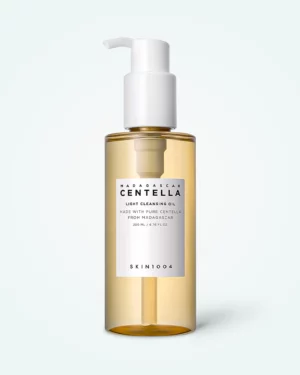
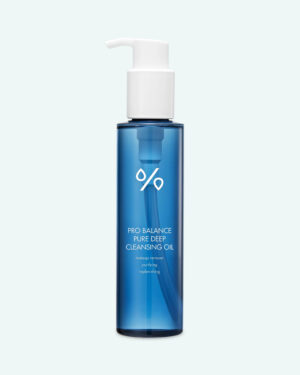
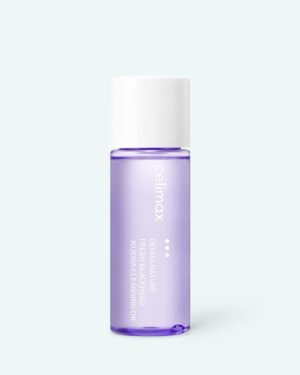
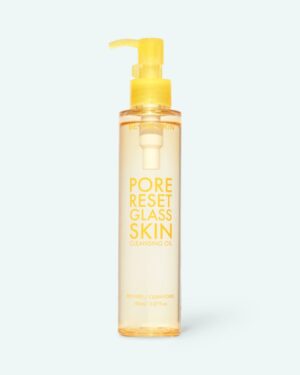
Hydrophilic cleansing oil is truly liquid gold! This skincare product is designed to deeply cleanse the skin and effortlessly remove makeup, including even long-lasting and waterproof formulas.
Hydrophilic cleansing oils contain oils (often naturally derived) and emulsifiers that work their magic by allowing the oil to mix with water. Some formulas are also enriched with vitamins and other skin-beneficial ingredients.
When it comes into contact with water, the cleansing oil transforms into a delicate, milky emulsion that can be easily rinsed away with lukewarm water, removing makeup, excess sebum, and impurities while leaving the skin feeling soft and comfortable.

Hydrophilic cleansing oil is also suitable for oily skin! When properly selected and used regularly, it helps remove excess sebum and impurities, leaving pores looking cleaner and the complexion fresher and more radiant.
If you’re looking to improve your daily skincare routine, double cleansing is a great place to start!




Ideally, you should have two facial cleansers: one for your morning skincare routine and another for your evening routine.
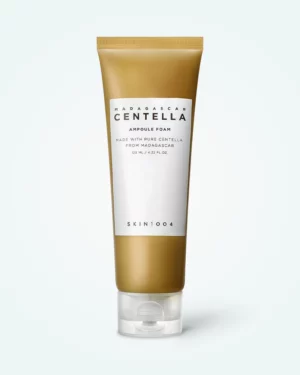
Your morning cleanser should gently cleanse the skin, removing excess sebum and impurities that have accumulated overnight without disrupting its natural protective barrier.
Your evening cleanser should provide more thorough cleansing, removing any remaining impurities and traces of hydrophilic cleansing oil.
It’s important to rinse off cleansing oil thoroughly and choose products suited to your skin type to help prevent buildup and clogged pores. However, cleansing should always remain gentle, leaving your skin feeling fresh and comfortable without dryness or tightness.
Your morning cleanser should provide gentle cleansing, as the skin undergoes its natural renewal processes overnight. In the morning, it’s important to gently remove excess sebum, sweat, and impurities accumulated during the night without disrupting the skin’s natural protective barrier.
Who should use a facial cleansing foam? Everyone, including teenagers and men! The key is choosing the right cleanser for your skin type and individual needs. Our consultants at moonglow.md will be happy to help you find the perfect product!



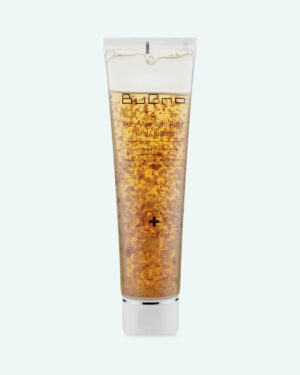

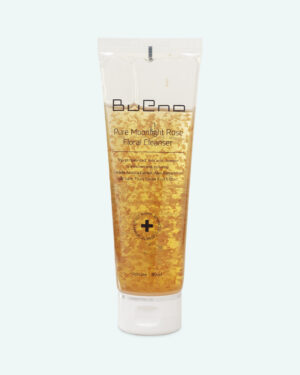


Exfoliation (peeling) is an important step in skincare that helps remove dead skin cells from the skin’s surface. When these cells accumulate, the complexion may appear dull, uneven, and tired-looking.
Regular, properly selected exfoliation helps improve skin texture, promote a smoother appearance, and restore natural radiance. However, it’s important not to over-exfoliate, as this can weaken the skin’s protective barrier and cause irritation.
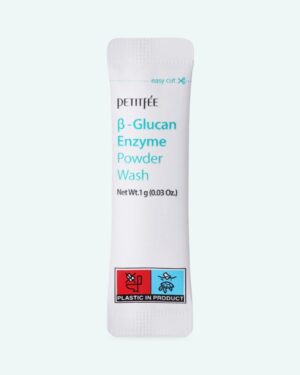
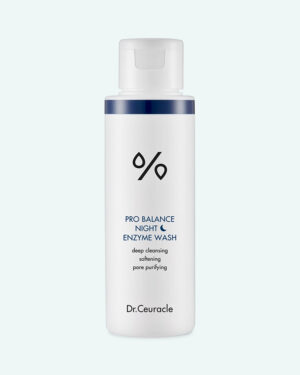
Exfoliation can be performed using acid-based toners and serums, enzyme powders, or peeling gels. Peeling gels offer a gentle approach to surface exfoliation, but the most suitable product and frequency of use depend on your skin type and sensitivity.

Important: After exfoliating, apply a moisturizer to support the skin barrier. During the day, always use broad-spectrum SPF 30–50+ sunscreen. Avoid combining multiple strong exfoliating products in the same routine, especially if you have sensitive skin.



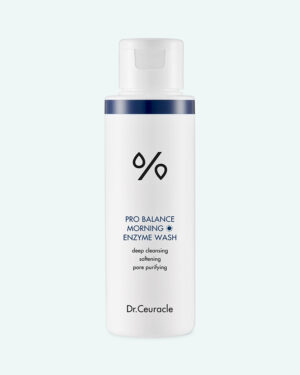
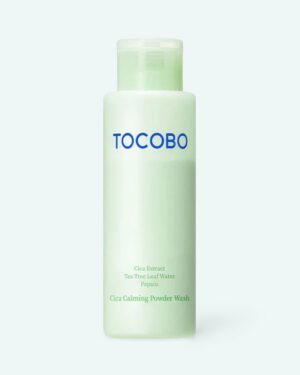

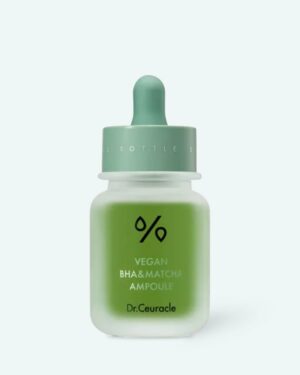

The main question is: what’s the difference between a tonic and a toner?
A tonic is a skincare product traditionally associated with European beauty routines. It is generally used after cleansing to refresh the skin and remove any remaining impurities.
A toner is an important part of the Korean skincare routine. Its primary purpose is to hydrate, soften, and prepare the skin for the next steps of skincare. Depending on the formulation, toners may also contain active ingredients that help soothe, exfoliate, or improve the skin’s overall appearance.
Important: There is no universal difference in active ingredient concentration between tonics and toners. Their effectiveness depends on the specific formulation rather than the product’s name.
Don’t be surprised if your toner costs more than your face cream! Korean skincare brands often invest in advanced formulations for toners and essences, enriching them with hydrating, soothing, and other active ingredients.
Why are these products so important? Thanks to their lightweight, mostly water-based textures, they spread easily across the skin, help maintain hydration, and prepare it for the next steps of your skincare routine. However, the depth of ingredient penetration depends on molecular structure and the overall formulation, not simply on how lightweight the product feels.
The golden rule of Korean skincare is to apply products from the lightest, most watery textures to the thickest. Start with toners and essences, followed by serums and creams. This layering method helps products spread comfortably, while the final moisturizer helps lock in hydration.


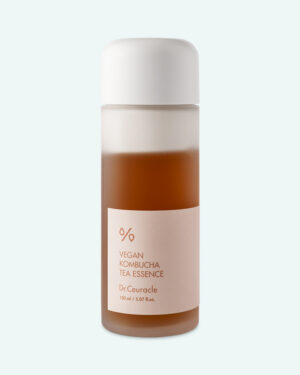
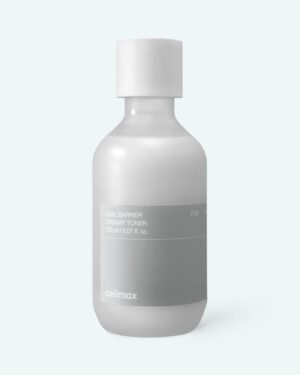
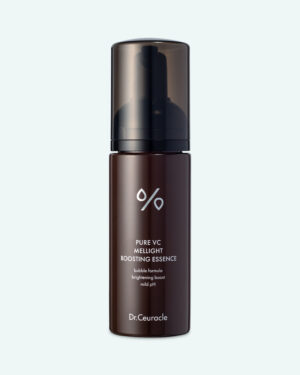
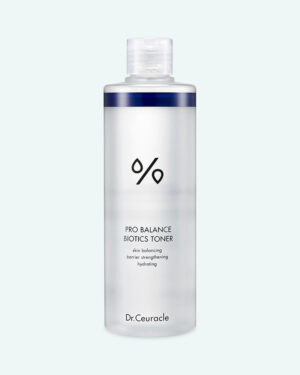
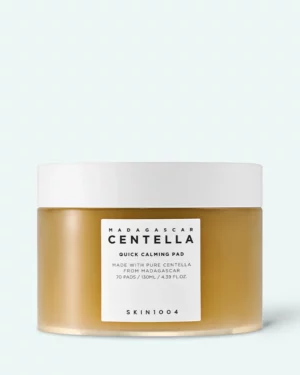


The next step in the Korean skincare routine after toner is essence. This product provides additional hydration and targeted skincare benefits. Essences often contain active ingredients that help improve skin texture, maintain elasticity, and promote a healthy, radiant complexion.
The concentration of active ingredients in an essence is not necessarily higher than in a toner — it depends on the specific formulation.
Apply essence the same way as toner: dispense a small amount into clean palms, gently spread it over your face, and pat it into the skin without rubbing or pulling. This helps distribute the product evenly and allows it to absorb comfortably.

Essences come in different textures. If an essence has a lightweight, watery consistency, it can be used instead of a toner. This is particularly common with essences containing fermented ingredients, such as Galactomyces.
During fermentation, ingredients undergo biochemical changes that produce various compounds beneficial for skincare. Fermented ingredients can help hydrate, soften, and improve the skin’s overall appearance. However, fermentation does not automatically mean that ingredients penetrate deeper into every layer of the epidermis.
If your essence contains Galactomyces, you can apply it immediately after cleansing, especially if it has a lightweight, watery texture. This helps prepare the skin for the next steps of your routine while maintaining hydration.
Some essences have a thicker consistency. In this case, you can apply a toner beforehand, following the basic Korean skincare principle of layering products from the lightest to the richest textures.
Remember, our consultants will be happy to help you choose the perfect essence for your skin type!
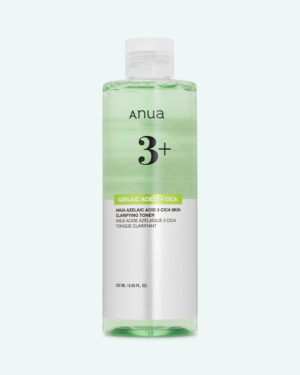
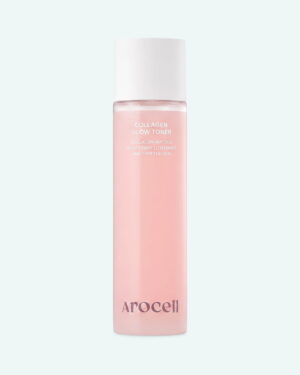
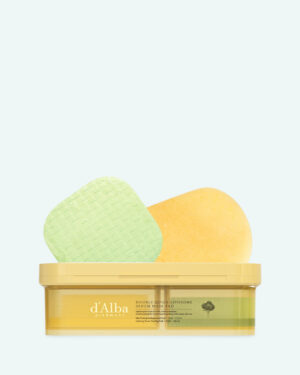
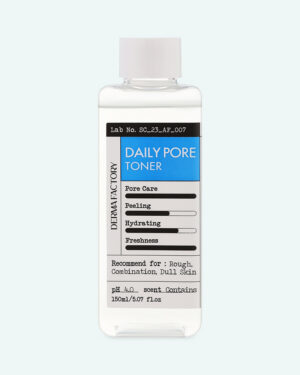
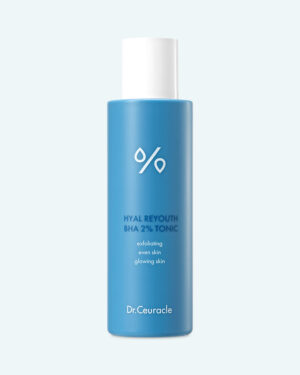
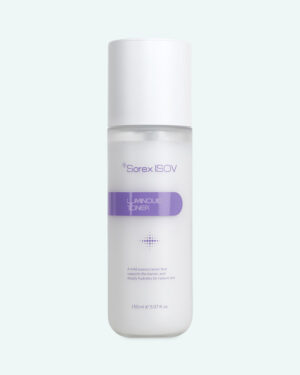
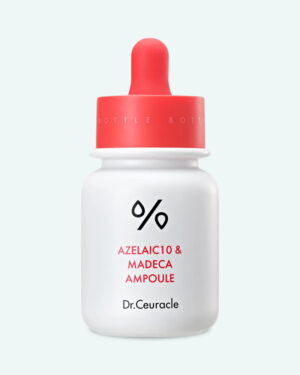
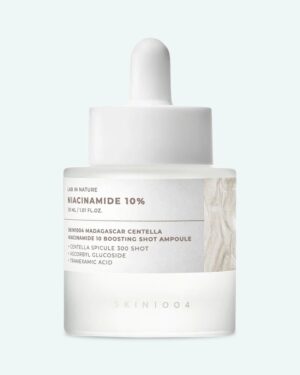
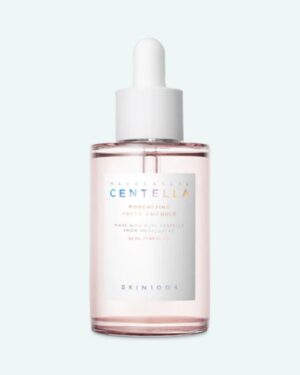
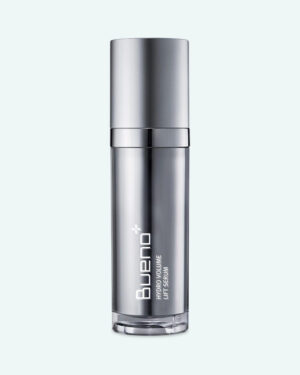
Serums and ampoules are skincare products formulated with active ingredients designed to address specific skin concerns, such as dehydration, fine lines, dark spots, enlarged pores, and other imperfections.
As mentioned earlier, the golden rule of Korean skincare is to apply products from the lightest, most watery textures to the thickest. This layering method helps products spread evenly across the skin, while richer products applied afterward help retain moisture and support the skin’s protective barrier.
Depending on your skincare goals, it’s important to choose a serum with the right active ingredients. Our consultants will be happy to help you find the perfect match for your skin! They’re available at moonglow.md, Monday to Friday, from 9:00 AM to 7:00 PM!
When choosing a serum, it’s important to understand what results you want to achieve:
A serum is a skincare product formulated with active ingredients designed to target specific skin concerns. Depending on the formula, it may contain vitamin C, peptides, collagen, hyaluronic acid, and other beneficial ingredients that help improve the skin’s appearance and overall condition.


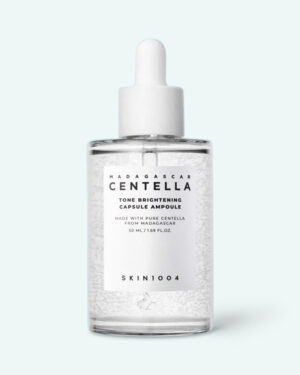
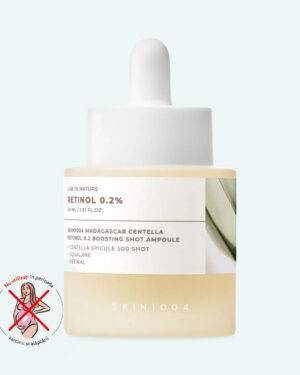
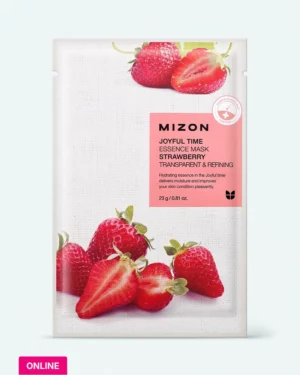
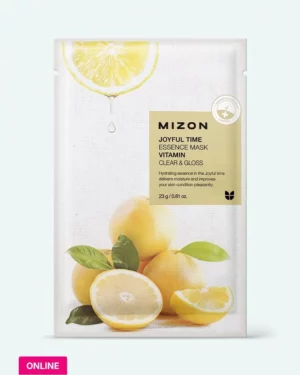
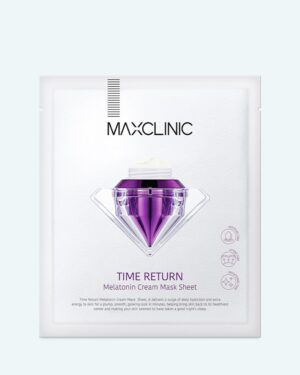
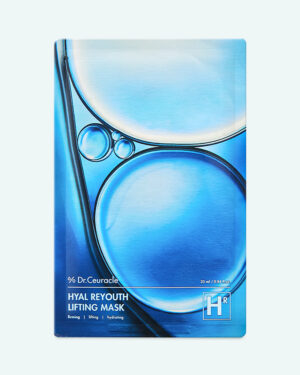
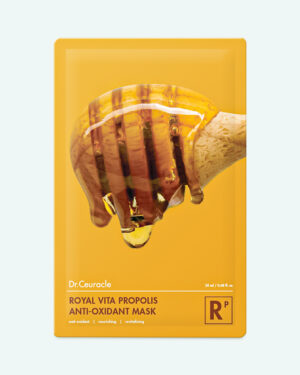
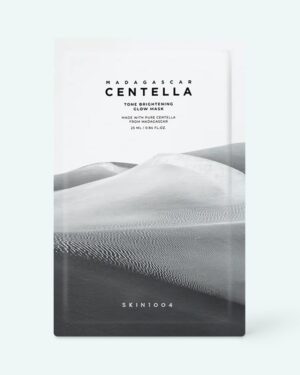
Sheet masks offer a variety of skincare benefits, including hydration, brightening, anti-aging care, soothing, and minimizing the appearance of enlarged pores.
With over 200 sheet masks available on our website, you’re sure to find your favorites!

A sheet mask is an additional step in the Korean skincare routine, usually applied after essence. Sometimes, it can also be used after a serum, especially one containing propolis. This combination can help maintain hydration and give your skin that beautiful, healthy-looking glow!
This is particularly useful after using sheet masks with hyaluronic acid. Following up with a moisturizer helps retain hydration and maintain skin comfort. However, skipping moisturizer does not necessarily mean that hyaluronic acid will dehydrate your skin.






Many people believe that eye cream isn’t an essential part of skincare and that a regular face cream can be used instead. However, the skin around the eyes is significantly thinner and more delicate, with fewer sebaceous glands, making it more prone to dryness and the appearance of fine lines.
That’s why the eye area deserves extra care and hydration. A properly selected eye cream helps support the skin’s natural protective barrier, reduce dryness, and improve the appearance of this delicate area.
However, a separate eye cream isn’t always necessary. If your facial moisturizer has a gentle formula and is suitable for use around the eyes, it can also provide effective care for this area.
Important: Applying too much eye cream does not cause sagging eyelids over time. However, excessive application may lead to discomfort, puffiness, or irritation, especially for sensitive skin.

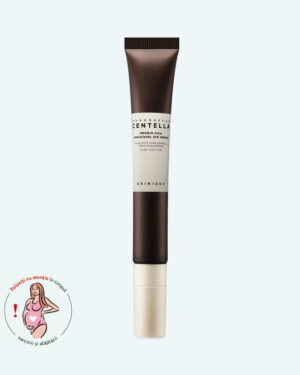
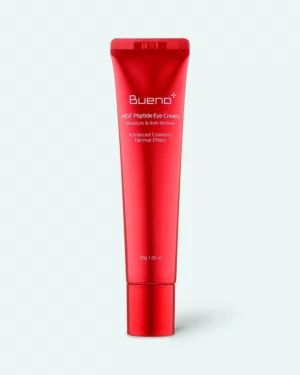


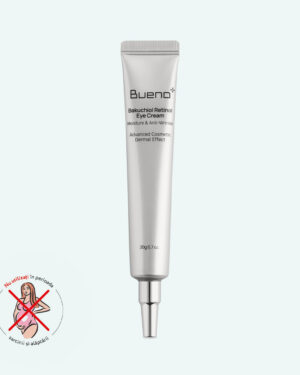

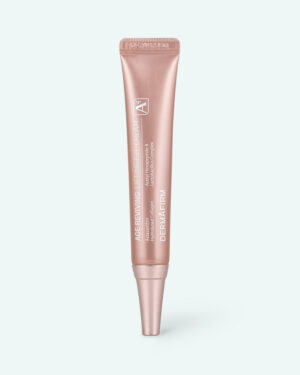
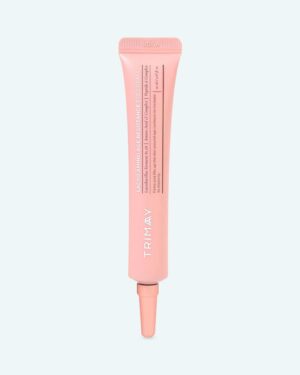
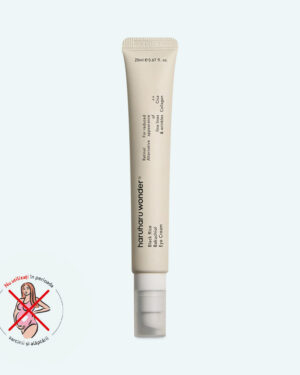

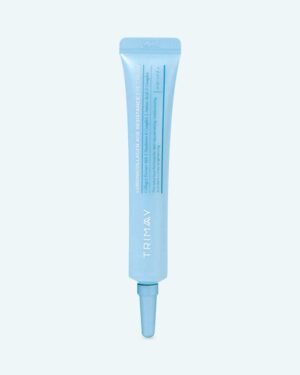
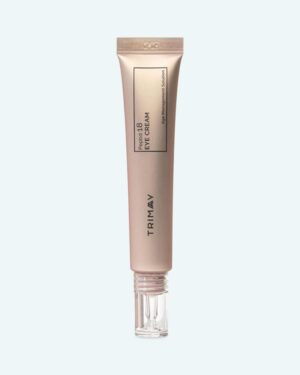
Remember one important thing: face creams can’t work miracles, and there’s no single cream that can address every skin concern!

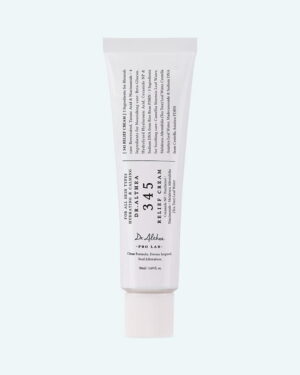
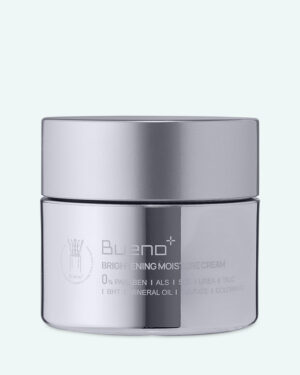
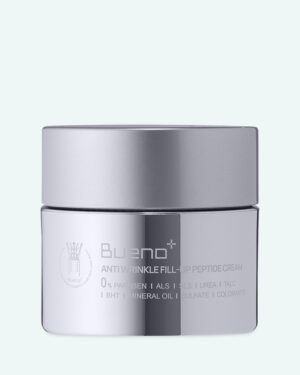
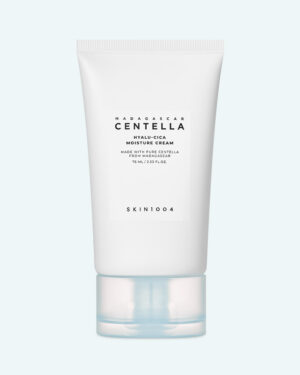
Face cream is the final step of your skincare routine. Contrary to popular belief, creams can contain high concentrations of beneficial active ingredients, and their effectiveness depends on the specific formulation and purpose.
A moisturizer remains one of the most important steps in daily skincare because it helps lock in hydration, reduce moisture loss, and complement the benefits of previously applied products.
One of the main functions of face cream is to support the skin’s natural protective barrier, helping maintain moisture and protect the skin against external environmental stressors.
The golden rule: Choose a face cream based on your skin type, current condition, and individual needs. The right moisturizer helps keep your skin soft, comfortable, and healthy-looking.





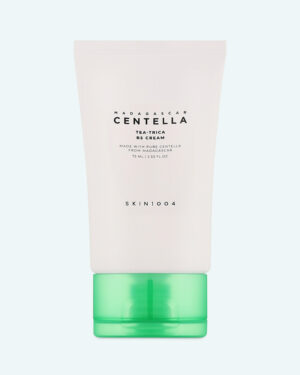

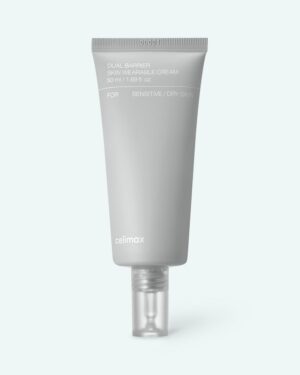
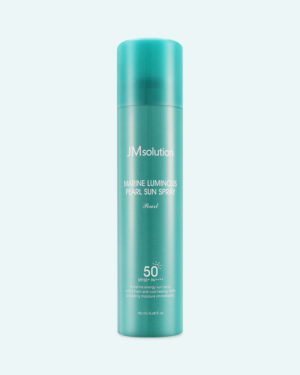
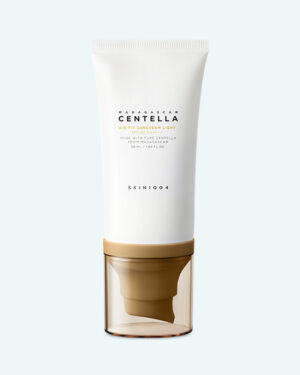
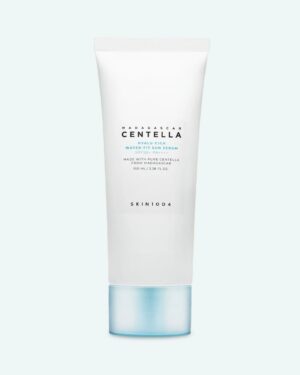
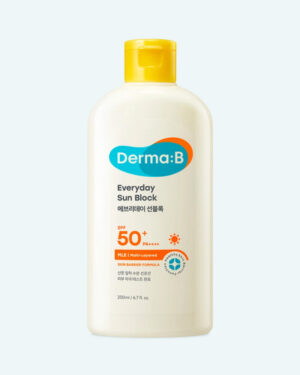
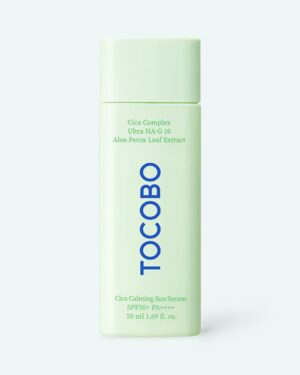
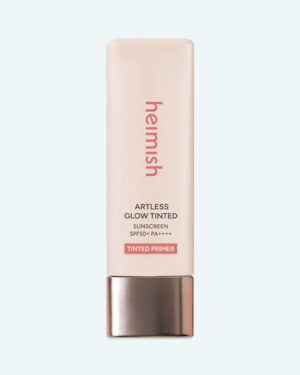
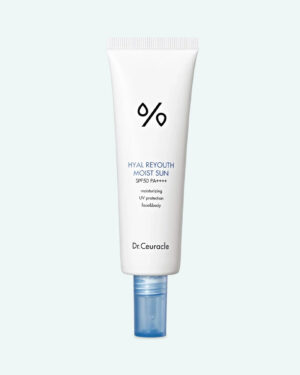
Sunscreen products with SPF (Sun Protection Factor) contain mineral (physical), chemical (organic), or combined UV filters that help protect the skin from harmful ultraviolet radiation.
There are many debates and misconceptions surrounding different types of sunscreen filters. However, scientific research confirms that sun protection is essential for everyone, regardless of skin tone.
Fair skin generally contains less melanin, making it more susceptible to sunburn and UV damage. Nevertheless, darker skin tones also require regular protection, as ultraviolet exposure can contribute to premature skin aging, hyperpigmentation, and skin cell damage.
The key is to choose a broad-spectrum sunscreen with SPF 30–50+ that suits your skin type and provides protection against both UVA and UVB rays.
Mineral (physical) filters include zinc oxide (Zinc Oxide) and titanium dioxide (Titanium Dioxide). They form a protective layer on the skin’s surface and help shield it from ultraviolet radiation. Contrary to popular belief, mineral filters do not simply reflect UV rays — they primarily absorb ultraviolet radiation.
Mineral sunscreens may sometimes leave a white cast, particularly on darker skin tones. However, modern formulations are becoming increasingly lightweight, comfortable, and virtually invisible on the skin.
Chemical (organic) filters work by absorbing ultraviolet radiation and converting its energy, helping prevent UV-related skin damage. Sunscreens with these filters often have lightweight textures, spread easily, and leave little to no white residue.
Some manufacturers recommend applying sunscreen 15–30 minutes before sun exposure. This allows the product to form an even protective film on the skin, rather than requiring the filters to penetrate deeply.
Hybrid sunscreens combine mineral and organic UV filters in a single formula. They can offer the benefits of both types, providing comfortable application and broad-spectrum UVA and UVB protection.
However, a sunscreen’s effectiveness depends on its overall formulation, SPF rating, and UVA protection — not simply on whether it combines different types of filters. Sunscreens containing only mineral or only organic filters can also provide excellent protection.
If your skin is prone to hyperpigmentation, choose a broad-spectrum sunscreen with SPF 50+ and strong UVA protection. Tinted sunscreens containing iron oxides can offer an additional benefit by helping protect against visible light, which may worsen certain types of pigmentation.
For children, pregnant women, and breastfeeding mothers, mineral sunscreens are often preferred because they are generally well tolerated and have minimal systemic absorption. However, this does not mean that all chemical filters are unsafe. Approved UV filters undergo safety assessments, and detecting certain ingredients in the body does not automatically mean they cause harm.
If you work in an office or spend most of your day indoors, your need for sunscreen reapplication depends on how much sunlight enters through the windows and how much time you spend outside.
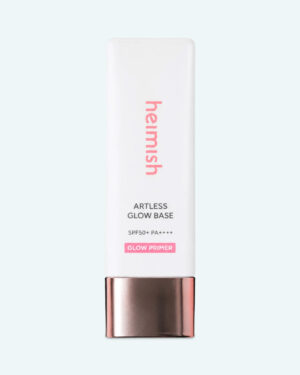
BB creams and makeup primers with SPF can provide sun protection, but only when applied in sufficient amounts. Since makeup is usually applied in much thinner layers, a separate broad-spectrum sunscreen is generally the more reliable option.
Important: Reapply sunscreen approximately every two hours when outdoors, and after swimming, heavy sweating, or towel-drying your skin.



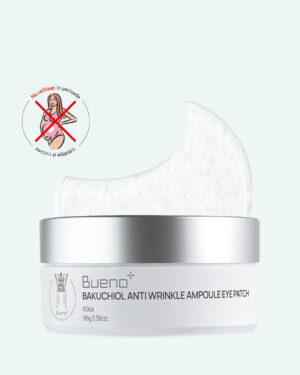
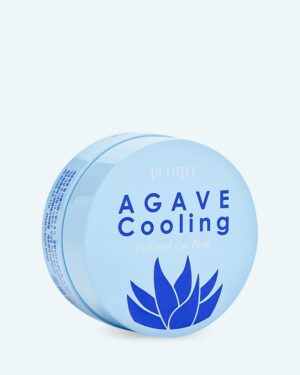
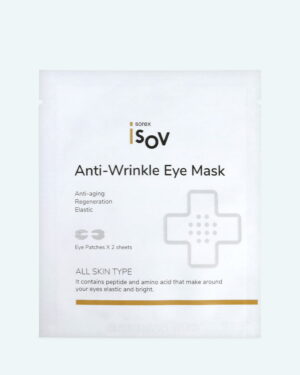
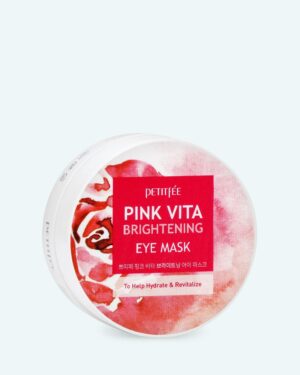
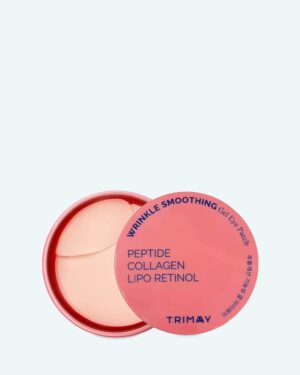
Once you try under-eye patches, you’ll never want to be without them! If you’re not familiar with their amazing benefits yet, keep reading to discover why they deserve a place in your skincare routine!

Under-eye patches are special fabric or hydrogel patches infused with skincare ingredients designed to care for the delicate skin around the eyes.
Unlike regular eye creams, patches provide a quick boost of hydration, temporarily reduce the appearance of fine lines caused by dehydration, and help minimize puffiness and signs of fatigue. Their effectiveness against dark circles depends on the underlying cause and the ingredients in the formula.
In reality, under-eye patches should only be left on for the amount of time recommended by the manufacturer.
Most traditional hydrogel eye patches are designed to be worn for 15–30 minutes. Leaving them on for too long may cause the material to dry out, potentially leading to discomfort or irritation.
The exception is specially formulated patches designed for extended or overnight use.
The key is to focus on your skin’s needs rather than age alone. Whether you’re concerned about dark circles, puffiness, fine lines, dryness, or pigmentation, choose eye patches with ingredients suited to your specific concerns.





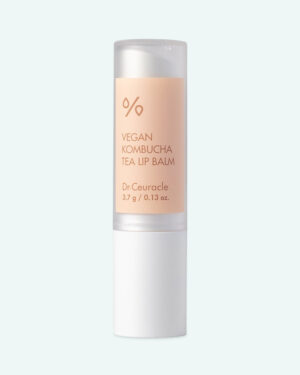
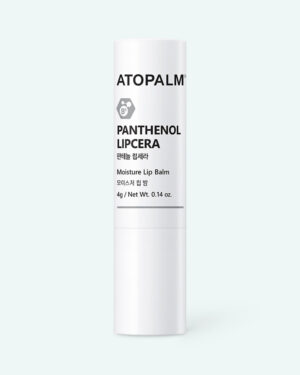
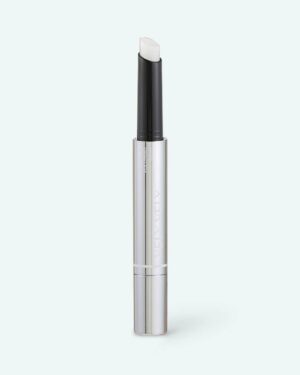
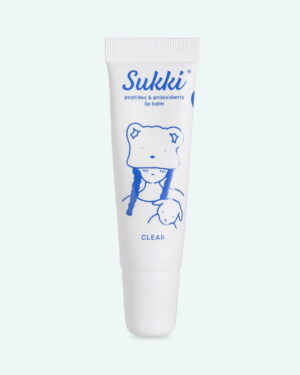
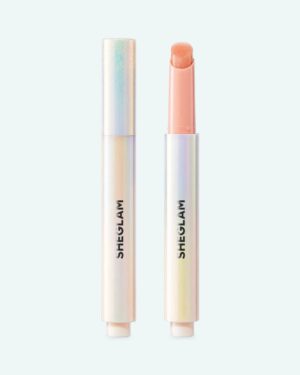
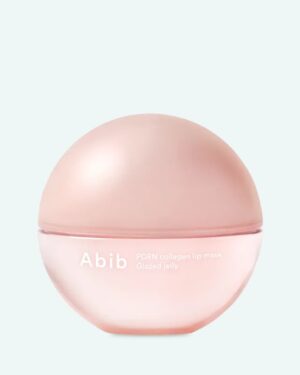
We all dream of having full, soft, hydrated, and beautifully cared-for lips. Here, you’ll discover simple lip care secrets that can help you achieve just that. Follow these tips, and you’ll soon notice the difference!




No. The Korean skincare routine can be customized according to your skin type and individual needs. The essential steps include gentle cleansing, moisturizing, and applying sunscreen in the morning. Exfoliation and sheet masks can be incorporated periodically without unnecessarily overloading your skincare routine.
Generally, skincare products should be applied from the lightest, most watery textures to the richest: cleanser, toner, essence, serum, and moisturizer. In the morning, sunscreen with SPF should be the final step of your skincare routine, before applying makeup.
Yes. Skincare products should be selected according to your skin’s individual needs. For oily or acne-prone skin, gentle cleansers, lightweight moisturizers, and ingredients such as niacinamide or salicylic acid can be beneficial when introduced gradually. It’s important to avoid over-exfoliating and to use sunscreen daily.
No account yet?
Create an Account
 Stores
 Payment & Delivery
 Mon-Fri 9:00-18:30














 Skin Cycling


