
Welcome to Glow Club!
Be the first to hear about new products and secret promotions, and receive personalized recommendations from MoonGlow!

Blog
Post-Acne: Red Spots, Dark Spots, or Scars? How to Tell the Difference and Care for Your Skin Properly
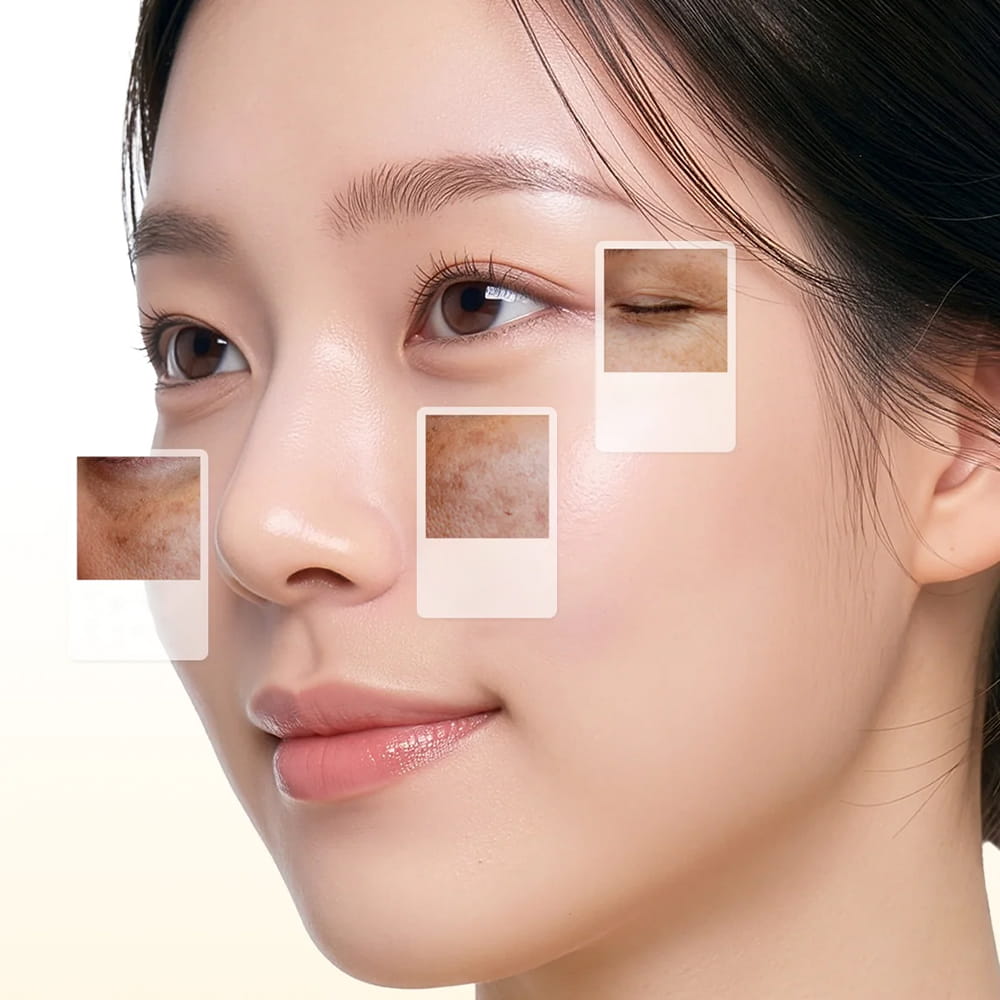
Are your breakouts gone, but the marks still remain? Red marks, dark spots, and small indentations in the skin are among the most common concerns people experience after acne.
Although we often refer to all these marks as “acne scars,” there are important differences between them. Some marks result from changes in blood vessels, others from excess pigmentation, while true acne scars develop when the skin’s structure is damaged.
Why does this difference matter? Because each type of post-acne mark requires a different approach. A product designed to target dark spots may not have the same effect on redness or depressed acne scars.
Let’s explore how to identify different types of post-acne marks and build a skincare routine that addresses your skin’s specific needs.
Post-acne refers to the changes that remain on the skin after acne lesions have healed.
When a pimple develops, the skin goes through an inflammatory process. Depending on the severity of inflammation, skin type, individual predisposition, and how the affected area is cared for, different types of marks may appear.
The most common types include:
One important thing to remember: not every mark left behind by a pimple is a scar. Post-acne marks may gradually fade, while structural scars tend to be more persistent and may require dermatological treatments.
Have you noticed that a pink, red, or sometimes purplish mark remains after a pimple has healed?
This may be a form of post-inflammatory erythema, also known as PIE – Post-Inflammatory Erythema.
Red post-acne marks are associated with vascular changes that occur during the skin’s healing process.
Harsh exfoliation, abrasive scrubs, and combining too many active ingredients can increase skin irritation.
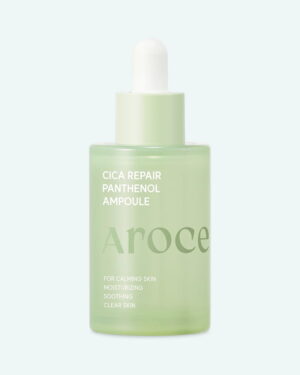
MoonGlow Skincare Tip: If your skin is irritated, try following a minimalist skincare routine for a few days: a gentle cleanser, a soothing serum, a ceramide-rich moisturizer, and sunscreen. Sometimes, reducing the number of active ingredients is more beneficial than adding new treatments.
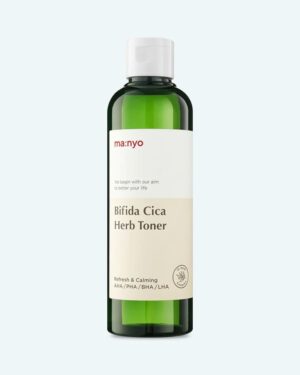

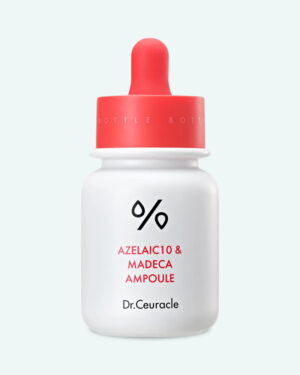
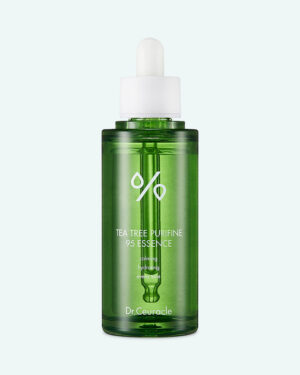
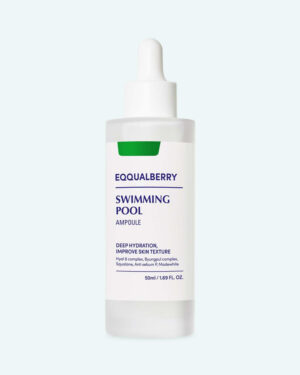
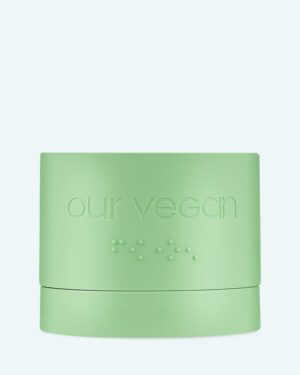
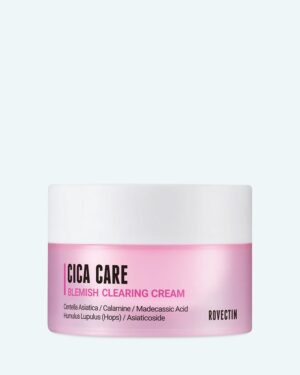
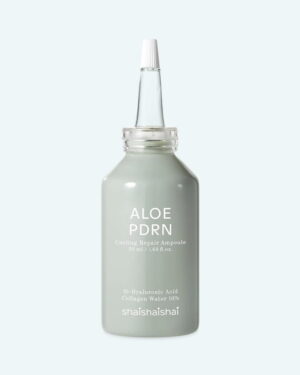
Pete maronii după acnee (PIH) –dacă după dispariția coșului rămâne o pată maro, aceasta poate fi hiperpigmentare postinflamatorie, cunoscută drept PIH – Post-Inflammatory Hyperpigmentation. PIH apare atunci când inflamația stimulează producția de melanină, pigmentul natural care determină culoarea pielii.
Spre deosebire de petele roșii, aici obiectivul principal este reducerea hiperpigmentării și prevenirea apariției unor noi pete.
Niacinamide
Vitamina C
Acid tranexamic (TXA)
Acid azelaic
Retinoizi
Poți utiliza o rutină cu ingrediente pentru uniformizarea tenului, dar fără protecție solară petele pot deveni mai persistente. Alege zilnic un produs cu protecție UVA și UVB, ideal SPF 50+, și reaplică-l când este necesar. Pentru pielea predispusă la hiperpigmentare, un SPF colorat care conține oxizi de fier poate oferi un avantaj suplimentar, deoarece ajută și la protecția împotriva luminii vizibile.
Lifehack MoonGlow: Folosește un ser cu vitamina C sau niacinamide dimineața, urmat de cremă hidratantă și SPF. Seara, concentrează-te pe repararea barierei cutanate și introdu un singur ingredient activ nou odată.
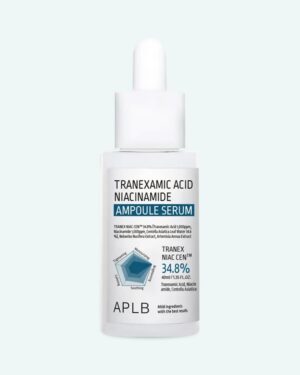
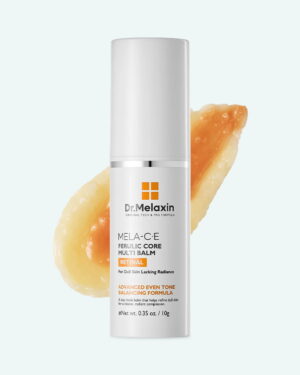


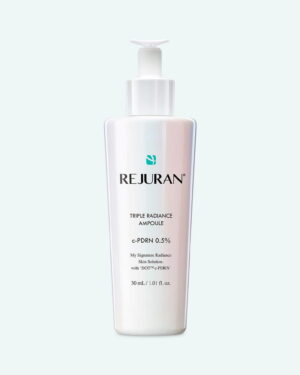
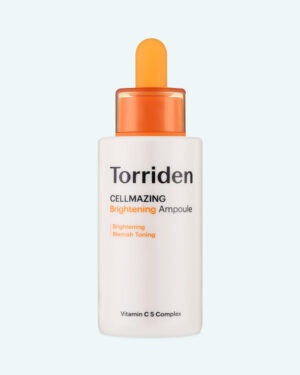
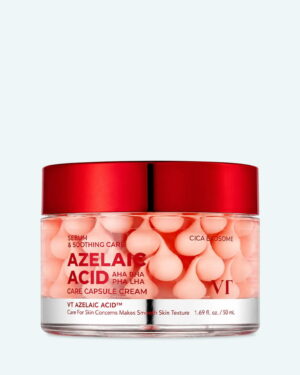
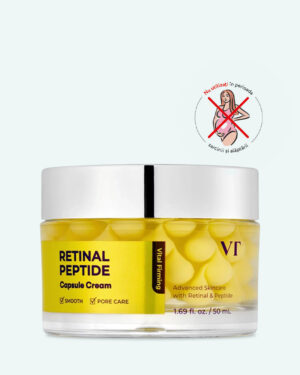
Sometimes, after acne has healed, the skin is left not only with discoloration but also with visible changes in texture. These are true acne scars. They develop when inflammation damages the skin’s structure, and the healing process leads to either a loss of collagen or excessive collagen production.
Skincare products can improve hydration, overall skin texture, and the appearance of some superficial imperfections, but they cannot completely eliminate structural acne scars.
For depressed or raised scars, a dermatologist may recommend procedures such as medical microneedling, fractional laser treatments, subcision, TCA CROSS, or other treatments tailored to the specific type of scar.
These procedures are not interchangeable. The choice of treatment depends on the type of scar, skin phototype, and overall skin condition.
| Characteristic | Red Marks (PIE) | Brown Spots (PIH) | Acne Scars |
|---|---|---|---|
| Appearance | Pink, red, or purplish | Brown or grayish-brown | Depressions or raised areas |
| Skin Texture | Usually smooth | Smooth | Altered or uneven |
| Main Cause | Vascular changes | Excess melanin production | Changes in collagen production and skin structure |
| Skincare Approach | Soothing skincare and SPF | Brightening ingredients and SPF | Supportive skincare and dermatological treatments |
| Progression | May gradually fade | May gradually fade | Generally more persistent |
It is possible to have several types of post-acne marks at the same time. For example, an acne scar may also be accompanied by redness or hyperpigmentation.
You don’t need ten different products to build an effective skincare routine. The most important thing is to choose the right ingredients and use them consistently.
Step 1. Gentle Cleansing – Choose a cleansing gel or foam that removes excess sebum without drying out your skin or leaving it feeling tight.
Step 2. Choose a Serum Based on Your Skin’s Needs
Step 3. Moisturizer – Look for ingredients such as ceramides, glycerin, hyaluronic acid, or squalane to help maintain hydration and support the skin barrier.
Step 4. Sun Protection SPF 30–50+ – An essential step in any skincare routine for post-acne marks. Daily sun protection helps prevent dark spots from becoming more noticeable and persistent.
Step 1. Makeup Removal and Cleansing – Remove makeup, sunscreen, and impurities accumulated throughout the day.
Step 2. Active Treatment, If Well Tolerated – Depending on your skin concerns, choose a product containing azelaic acid, niacinamide, or a suitable retinoid. You don’t need to use all these ingredients in the same evening routine.
Step 3. Skin Barrier-Supporting Cream – A formula containing ceramides, panthenol, or other emollient ingredients can help reduce discomfort and dryness associated with certain active treatments.
Important: If you use retinoids or other dermatological treatments, follow your doctor’s recommendations. Retinoids should be avoided during pregnancy.
Red post-acne marks may become less noticeable within a few months, although some can persist for much longer. Superficial brown spots may also fade over several months, while deeper pigmentation can take longer to improve. Structural acne scars generally cannot be completely removed with skincare products alone.
Results depend on the depth of skin changes, skin phototype, the presence of active acne, and your skincare routine. If you experience deep or painful breakouts, developing scars, persistent spots, or no noticeable improvement, consult a dermatologist or qualified skincare professional. For severe acne or developing scars, a dermatologist is the most appropriate specialist.
At MoonGlow Moldova, you can discover Korean skincare products designed for acne-prone, sensitive skin and skin with post-acne marks. Explore the selection at moonglow.md or ask MoonGlow consultants for recommendations to help build a skincare routine tailored to your skin’s needs.
Remember: Healthy skin doesn’t have to be perfect. Consistent skincare, supporting the skin barrier, managing active acne, and using SPF daily are important steps toward a more even-looking, balanced complexion.
Post-acne marks are usually flat areas of discoloration that appear red, pink, or brown. Acne scars, on the other hand, change the skin’s texture, creating indentations or raised areas. If you’re unsure which type of post-acne marks you have, a dermatologist can provide an accurate diagnosis.
For brown post-acne spots, ingredients such as niacinamide, vitamin C, azelaic acid, and certain retinoids can help reduce hyperpigmentation. For red post-acne marks, soothing ingredients like Centella Asiatica, panthenol, and ceramides help support the skin barrier and maintain skin comfort. However, persistent redness caused by vascular changes may require dermatological treatment. Daily sun protection is essential in both cases.
Skincare products can improve the overall appearance and texture of the skin, but they cannot completely remove deep acne scars. To address these scars, a dermatologist may recommend procedures such as medical microneedling, laser treatments, or other treatments tailored to the specific type of scar.
No account yet?
Create an Account
 Stores
 Payment & Delivery
 Mon-Fri 9:00-18:30





















 Skin Cycling


