
Welcome to Glow Club!
Be the first to hear about new products and secret promotions, and receive personalized recommendations from MoonGlow!

Blog
Autumn skincare: what should we change in our skincare routine?
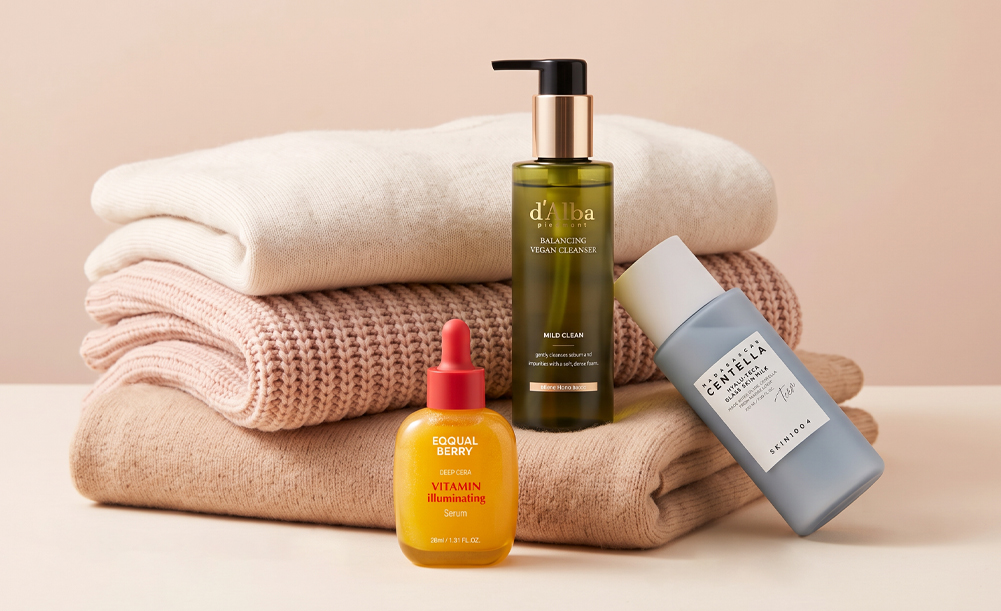
As autumn arrives, it’s not only your wardrobe that changes. Your skin starts to respond differently too.
Temperatures drop, the air becomes drier, we spend more time in heated indoor spaces, and the contrast between outdoor and indoor temperatures can cause the skin to lose moisture more easily. The result?
Your skin may start to feel drier, become more sensitive, or develop flaky patches.
That doesn’t mean you need to replace every product in your bathroom as soon as September begins.
Your autumn skincare routine should first and foremost respond to how your skin is behaving. For most people, the transition into the colder season means making a few adjustments: gentler cleansing, more hydration, greater support for the skin barrier, and more mindful use of active ingredients.
And yes — SPF stays.
In summer, we often choose cleansers designed to target excess sebum. In autumn, the same foaming cleanser that felt perfect in August may start leaving the skin feeling dry or flaky.
A good cleanser should remove impurities, excess sebum, sweat, and skincare residue without leaving the skin feeling uncomfortable after rinsing.
What should we change?
If your skin feels dry after cleansing, switch to a gentler formula and avoid the idea that skin needs to feel “squeaky clean” to be properly cleansed.
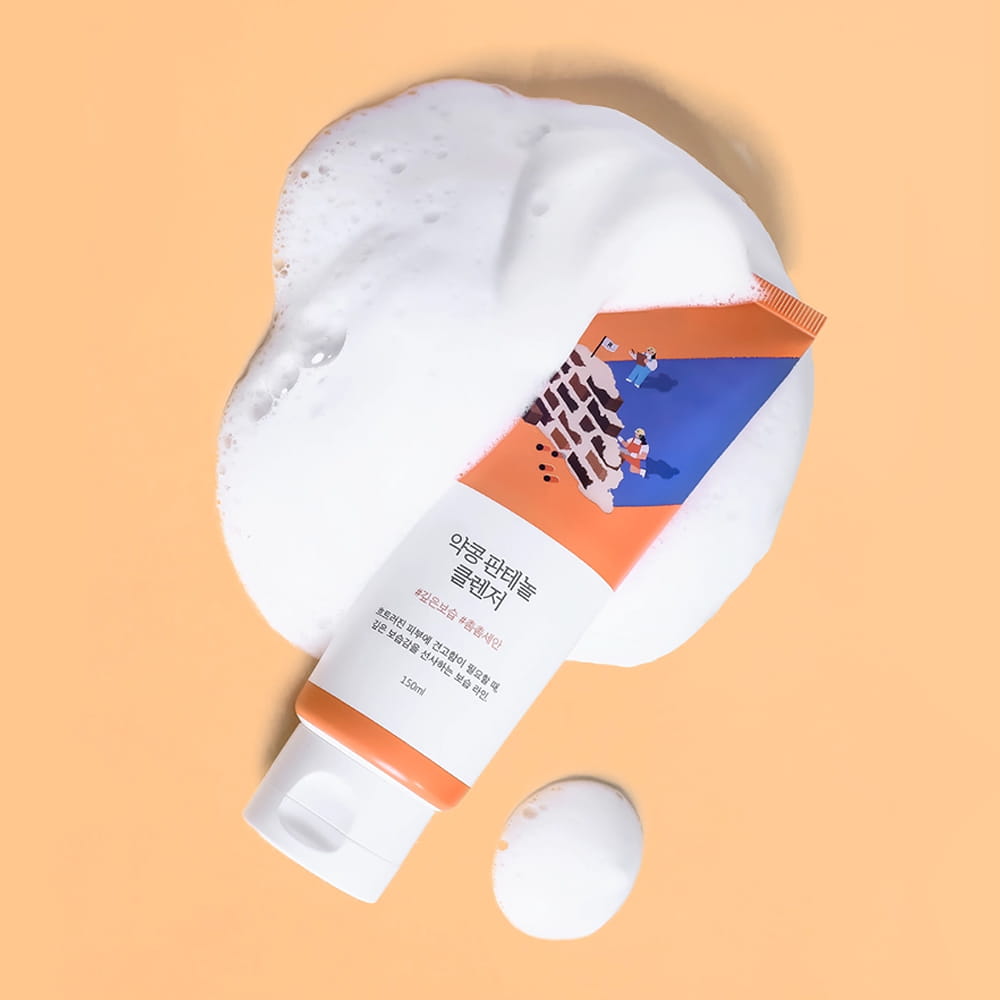
ROUND LAB Soybean Panthenol Cleanser 150 ml — has a pH of 5.5 and contains Panthenol, Ceramide NP, and Cholesterol. It is designed for daily cleansing without leaving the skin feeling excessively dry after washing.
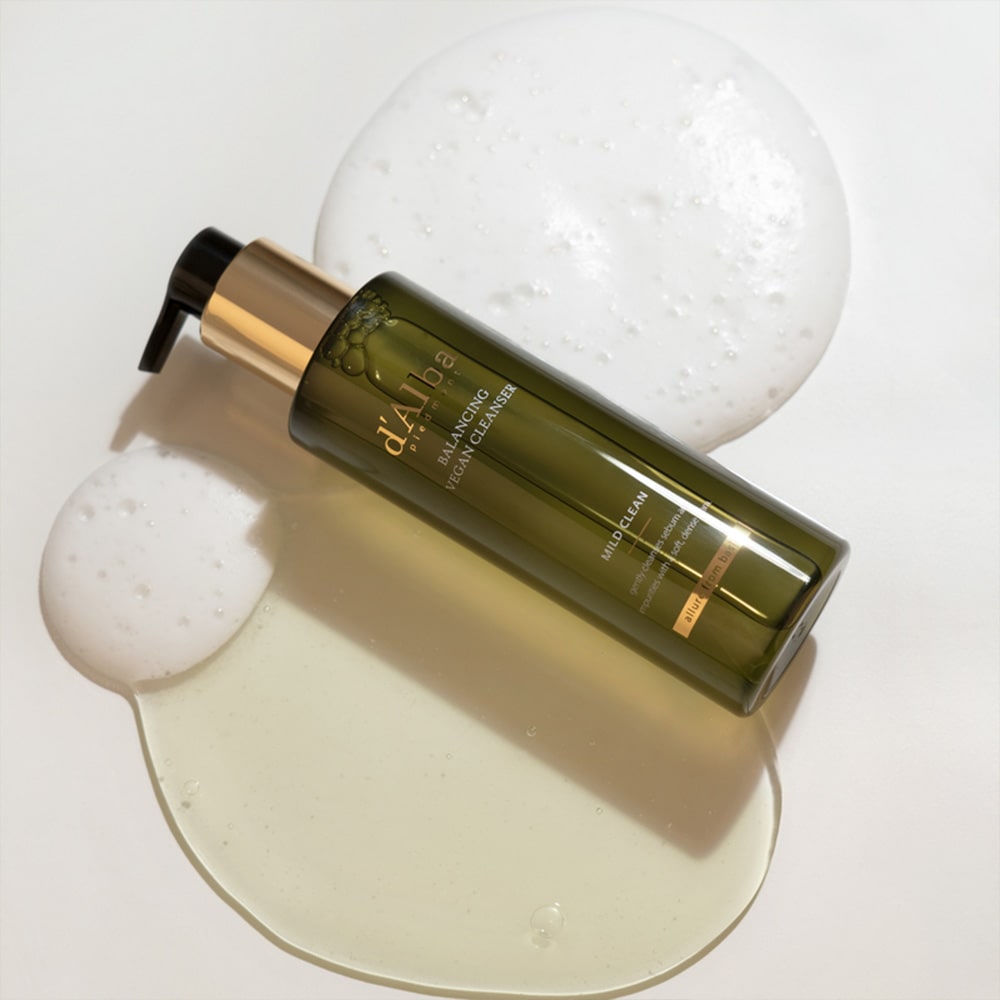
Another option is d’Alba Mild Skin Balancing Vegan Cleanser 200 ml, a mildly acidic cleansing gel formulated for a gentler, more comfortable cleansing experience.
Autumn is the perfect season for layering — applying several lightweight layers of hydration instead of relying on a single heavy product. This is where a toner or essence can become especially useful.
They are not essential steps in every routine, but for dehydrated skin they can provide that extra level of comfort that may not have been necessary during summer.
Look for formulas with ingredients such as:
Dr.Ceuracle Vegan Kombucha Tea Essence 150 ml is a great option for the colder season. The formula contains glycerin, Sodium Hyaluronate, Ceramide NP, fermented ingredients, and tea extracts, while its texture feels more nourishing than a traditional toner.
It can be applied in a single layer on combination skin or layered several times when the skin starts to feel drier.
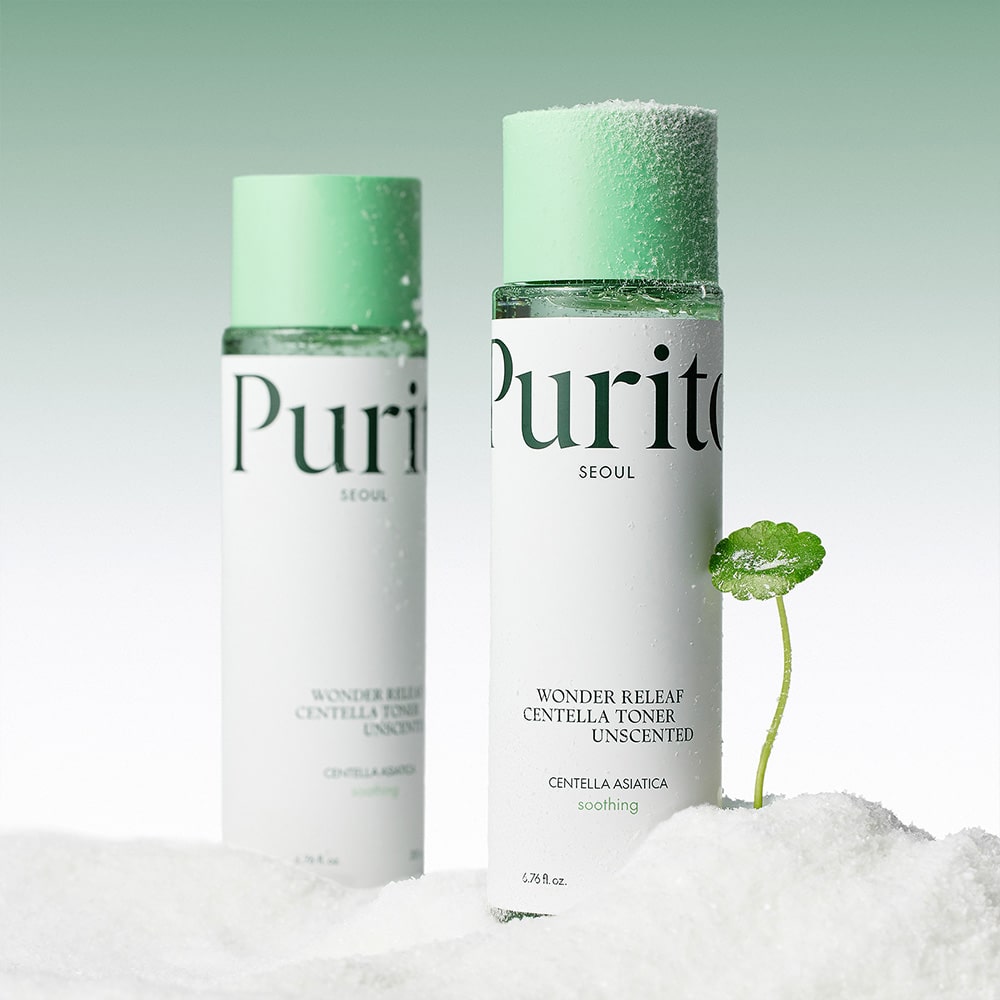
PURITO SEOUL Wonder Releaf Centella Toner Unscented 200 ml combines Centella Asiatica, Panthenol, and Sodium Hyaluronate in a fragrance-free formula without essential oils. It is a particularly good option when the skin needs hydration and comfort but does not tolerate heavy textures well.
When talking about an autumn skincare routine, we inevitably come to the skin barrier.
Why?
Because it helps the skin retain moisture and protect itself from the external environment. When the barrier is compromised, the skin may become dry, sensitive, irritated, or flaky.
And this is exactly where one of the most common mistakes happens: the skin is already sensitized, yet we add another acid or another active ingredient.
Sometimes the skin does not need “more actives.” It needs a break and time to recover.
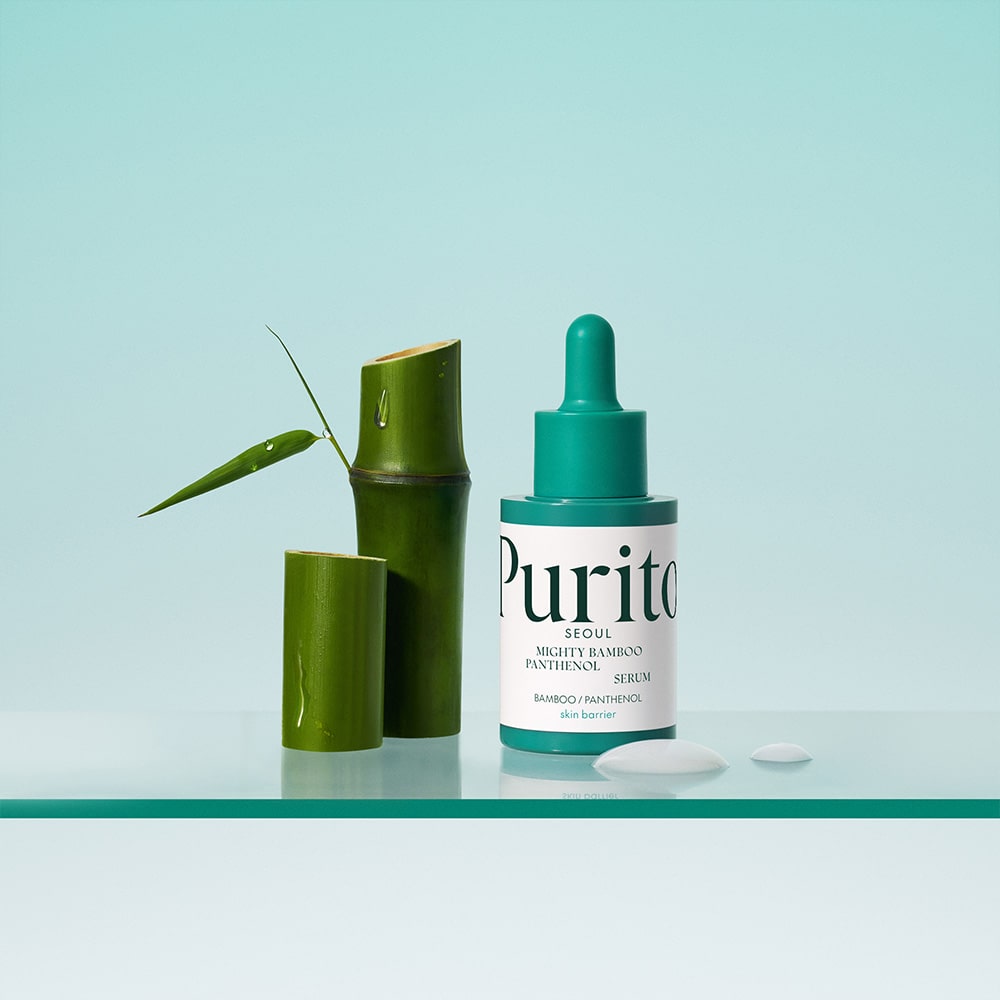
PURITO SEOUL Mighty Bamboo Panthenol Serum 30 ml contains 13% Panthenol, together with Ectoin, Niacinamide, and Squalane. It is designed to support hydration and the skin barrier, making it especially suitable for dehydrated skin or skin sensitized by wind, sun exposure, acids, or retinoids.
Moisturizer is probably the product where the difference between summer and autumn becomes noticeable the fastest. In summer, a very lightweight gel may be enough. In autumn, you may notice that just an hour after applying it, your skin already feels like it needs more hydration.
This is when it can help to switch to a formula with more emollients and lipids that help reduce moisture loss.
Dermatologists generally recommend richer creams for dry skin and lighter textures for oily or blemish-prone skin.
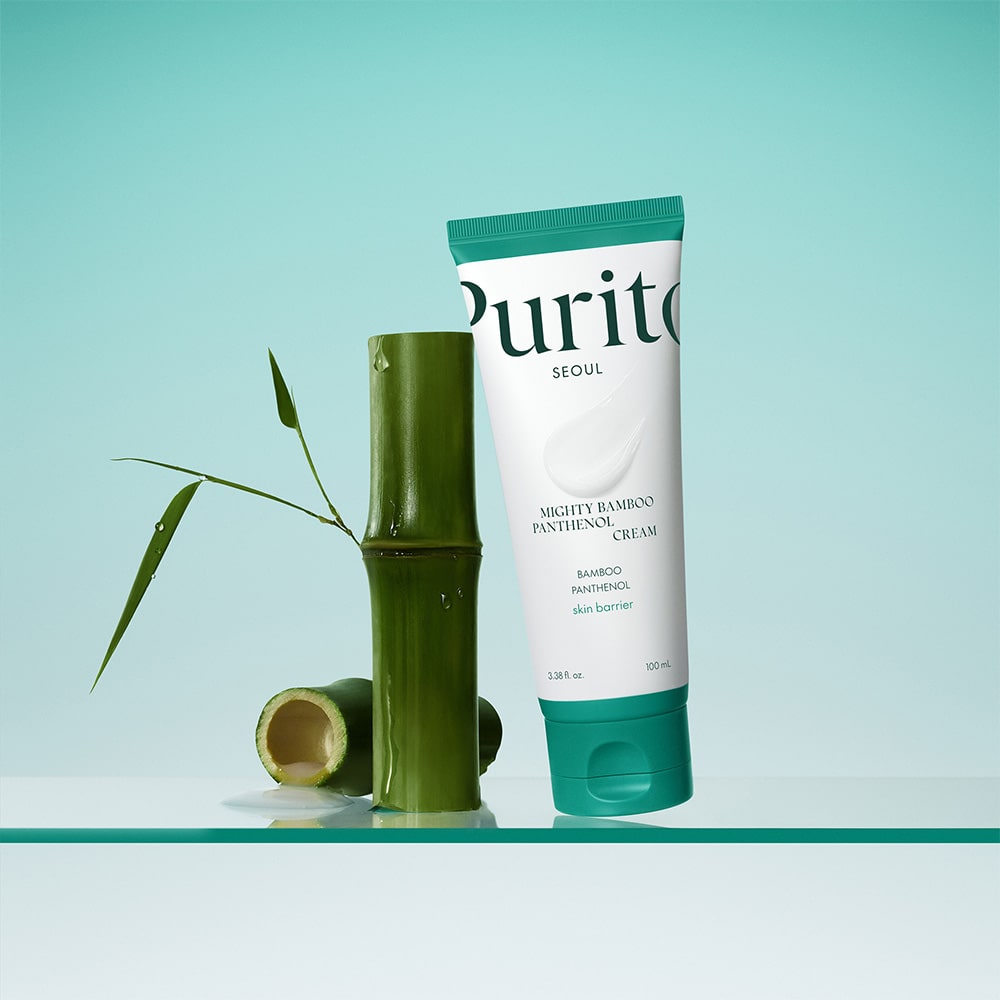
PURITO SEOUL Mighty Bamboo Panthenol Cream 100 ml contains 10% Panthenol, Squalane, and Bamboo Extract and can be used as the final step of your routine to help “seal in” hydration.
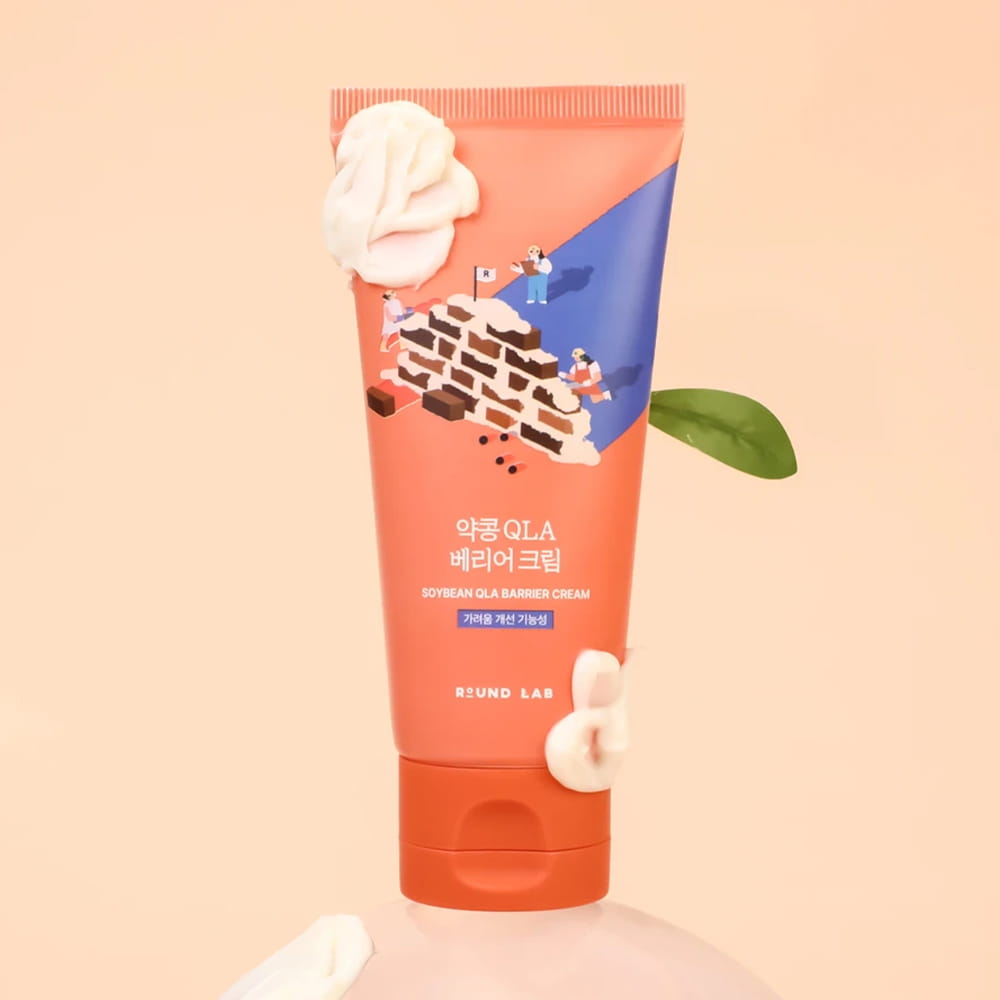
For skin that feels like it needs something more nourishing, ROUND LAB Soybean QLA Barrier Cream 80 ml combines Ceramides, Cholesterol, Fatty Acids, Panthenol, and Squalane — a formula specifically designed to support dry skin or a weakened skin barrier.
Another option is Hanskin Seven Layer Ceramide Cream 70 ml, formulated with multiple types of Ceramides, Squalane, Panthenol, and hydrating ingredients.
Important: oily skin should not be “dried out” in autumn. Oily skin can also be dehydrated, and the right level of hydration can make your skincare routine much more comfortable.
Autumn is also the time when the effects of summer often become more noticeable.
These may include:
Vitamin C is an antioxidant that can be incorporated into a routine focused on improving radiance and creating a more even-looking complexion.
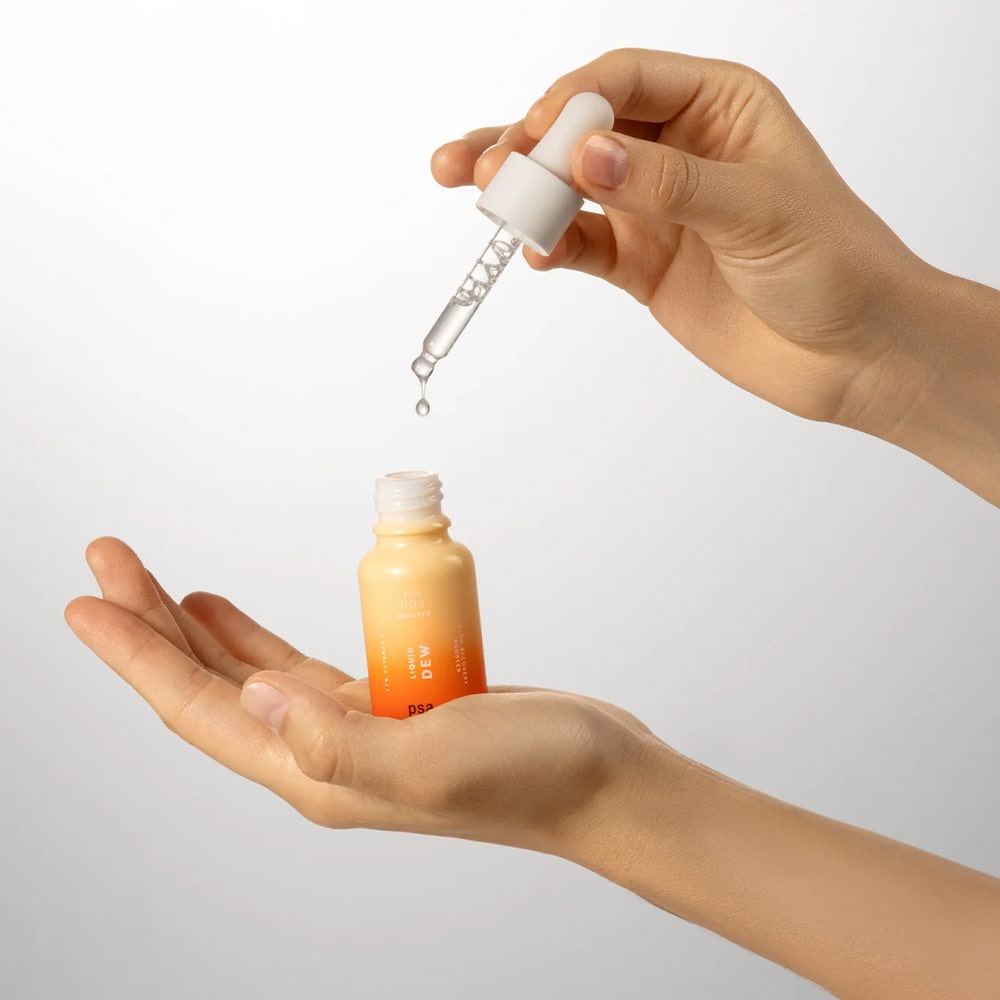
At MoonGlow, PSA Liquid Dew 15 ml contains 17% THD Ascorbate, a stable, oil-soluble form of Vitamin C, together with Vitamin E and Glutathione. It is designed for dull skin, visible dark spots, and loss of radiance.
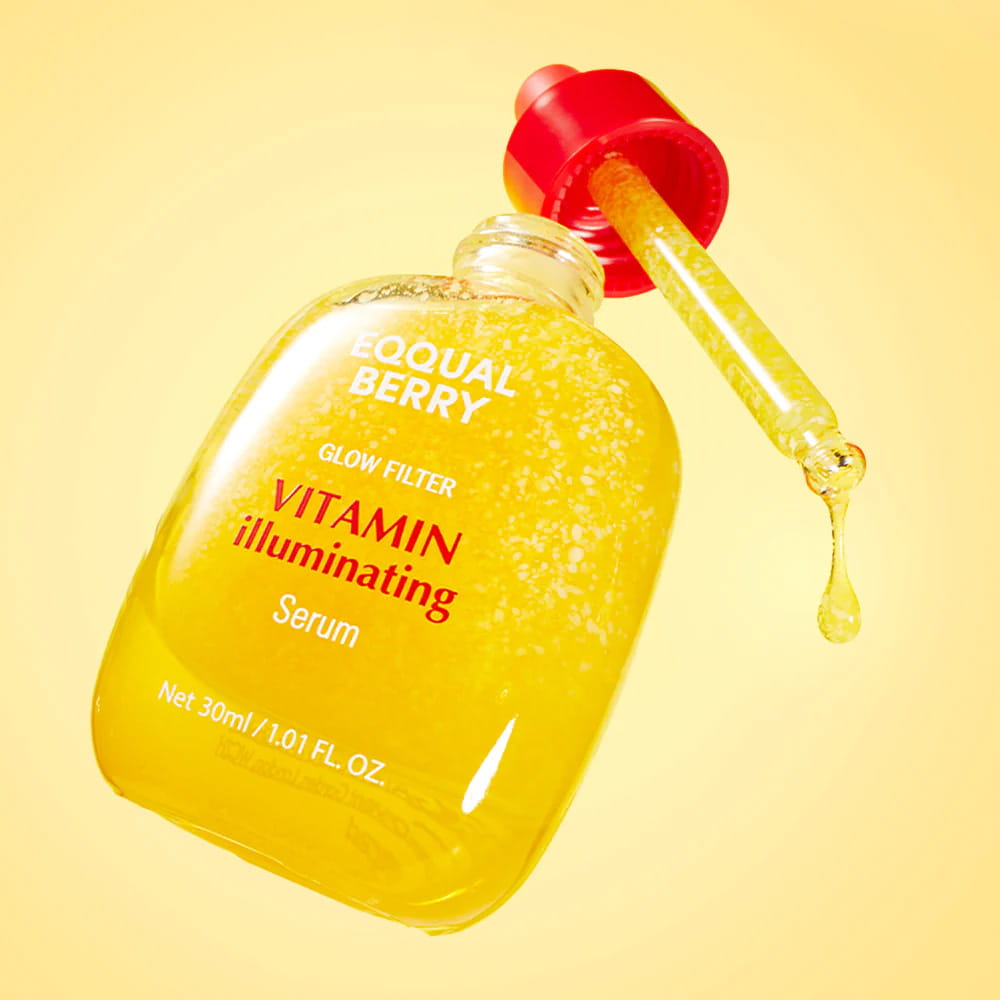
Another option is EQQUALBERRY Vitamin Illuminating Serum 30 ml, which combines Vitamin C with Niacinamide, Arbutin, Tranexamic Acid, Glutathione, and Ferulic Acid for a routine focused on uneven tone and post-acne marks.
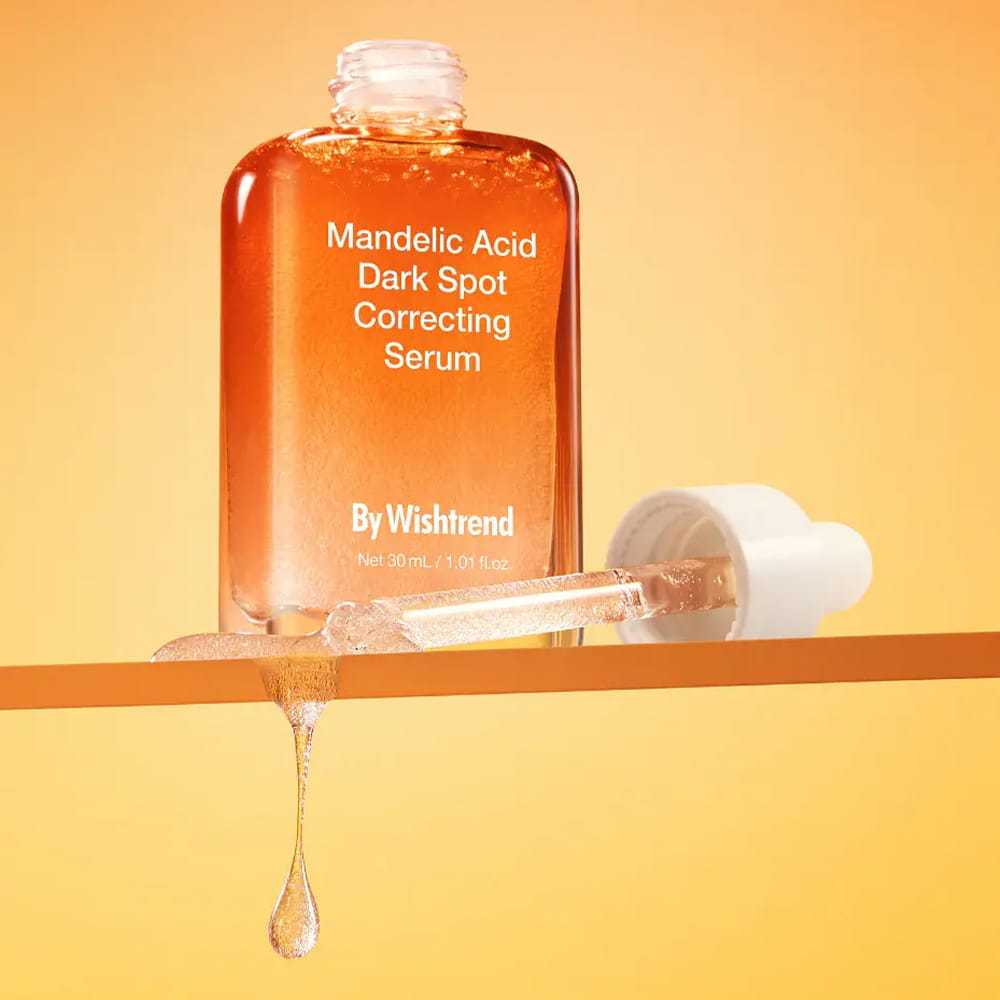
You do not need to use every pigmentation-focused ingredient at the same time. Choose one product and observe how your skin responds.
This is one of the most important things to keep in mind. If your skin is flaking, it does not automatically mean it needs exfoliation. Sometimes, the opposite is true.
The skin may simply be dry or have a weakened barrier, and repeated use of AHAs, BHAs, peels, or scrubs can make the problem worse.
If you were using exfoliants 2–3 times a week during summer and notice that your skin reacts differently in autumn, reduce the frequency.
It may be enough to exfoliate once a week or even take a temporary break until your skin feels comfortable again.
Especially when introducing retinol or retinal, do not try to correct uneven texture by adding even more exfoliation.
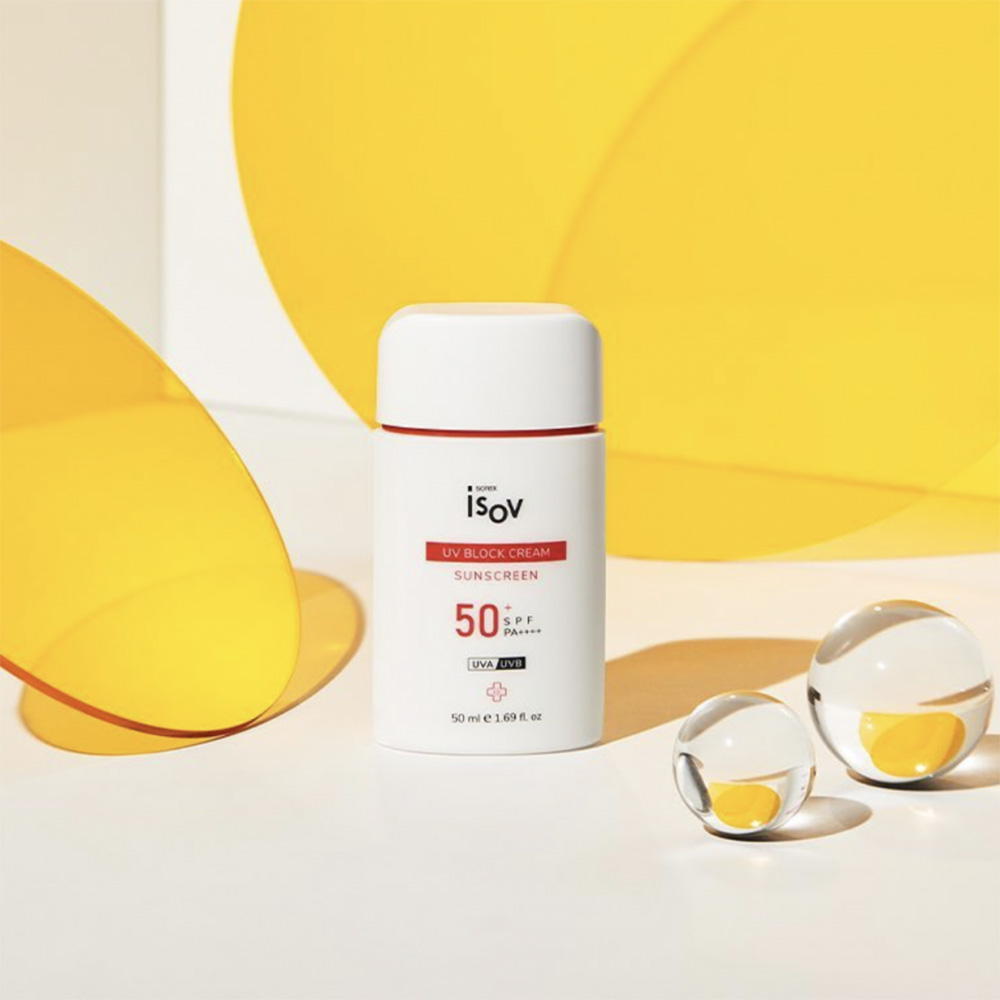
One of the most common mistakes people make when adjusting their autumn skincare routine is dropping SPF. UV radiation does not disappear just because temperatures are lower.
Sun protection remains important all year round, including on cloudy days. For exposed areas, dermatologists generally recommend a broad-spectrum sunscreen with at least SPF 30.
Especially if you use retinoids, exfoliating acids, or products targeting pigmentation, SPF should remain a consistent part of your morning routine.
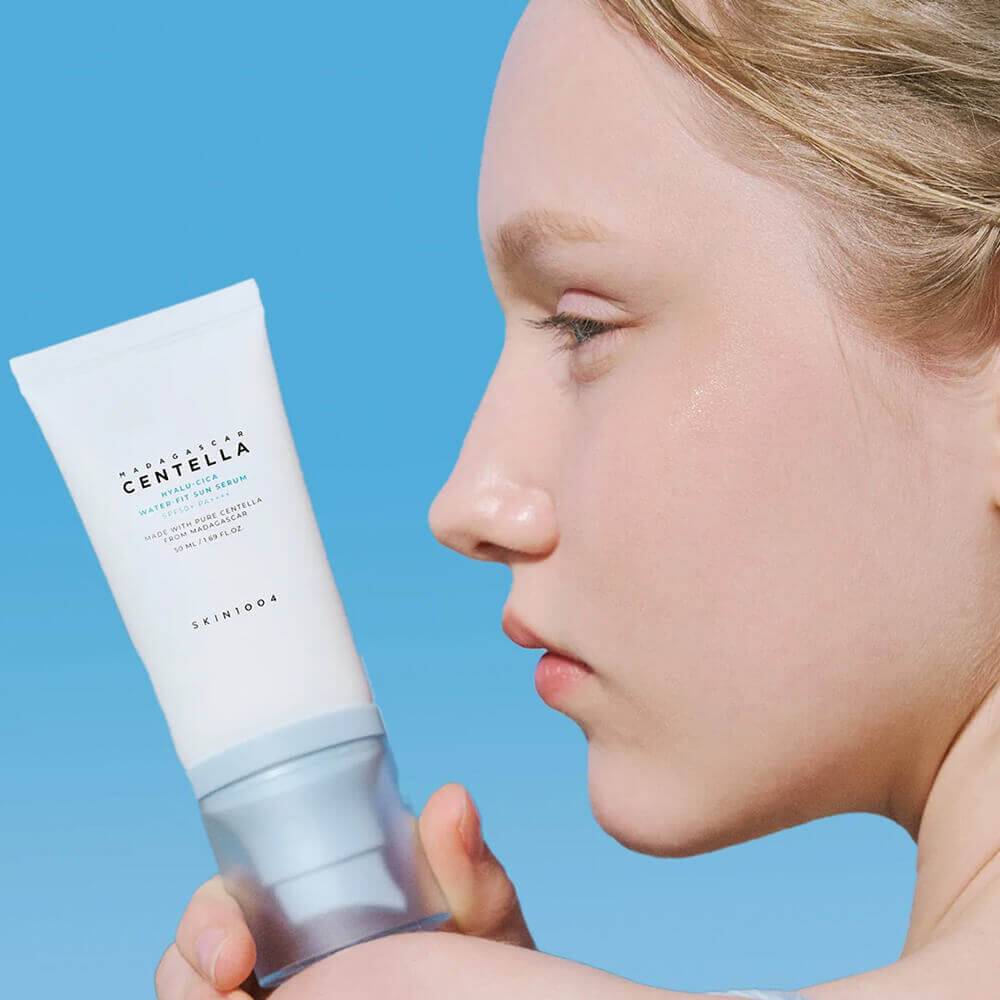
SKIN1004 Madagascar Centella Hyalu-Cica Water-Fit Sun Serum SPF50+ PA++++ has a very lightweight, serum-like texture and combines UV protection with Centella Asiatica and multiple forms of Hyaluronic Acid. It is a good option if you want a sunscreen that complements a hydrating routine without making it feel heavy.
What can you change compared with summer? Not the SPF itself, but its texture. If you preferred a very matte finish in summer, autumn may be a good time to switch to a more hydrating and comfortable sunscreen.
The face is not the only area affected by changing temperatures. The lips and hands are among the areas most exposed to wind and cold air, and they can start to feel dry before we even swap our autumn jacket for a winter coat.
Dr.Ceuracle Vegan Kombucha Tea Lip Balm 3.7 g contains Ceramides and emollient ingredients, among others, and is designed for dry, uncomfortable lips.
For a formula focused on Panthenol and Ceramides, another option is ATOPALM Panthenol Lip Cera Moisture Lip Balm 4 g.
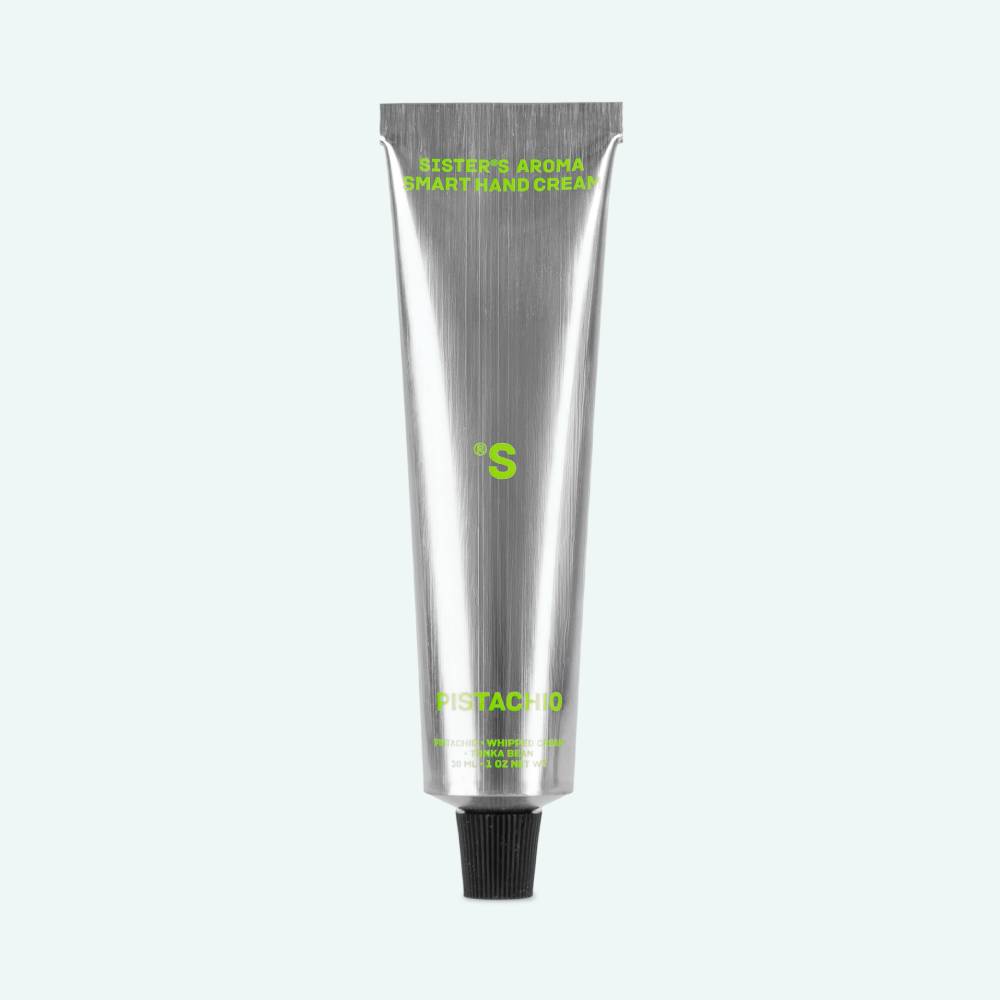
Reapplying hand cream after washing can make a big difference as temperatures drop. MoonGlow’s hand cream selection includes options from Jmella, Sister’s Aroma, Maxclinic, and other brands.
1. Gentle cleansing
ROUND LAB Soybean Panthenol Cleanser
2. Hydration
Dr.Ceuracle Vegan Kombucha Tea Essence or PURITO Wonder Releaf Centella Toner Unscented
3. Serum, depending on your goal
Choose a barrier-supporting serum if your skin feels sensitized, or an antioxidant/brightening serum if your main concerns are dullness and uneven skin tone.
4. Moisturizer
Choose the texture according to your skin: lighter for combination/oily skin, richer and more nourishing for dry or dehydrated skin.
5. SPF
1. Makeup removal / SPF removal
2. Gentle cleansing
3. Hydrating toner or essence
4. Treatment
Retinoid, exfoliant, or another active — only on the evenings when it is needed.
5. Hydrating / barrier-supporting serum
6. Moisturizer
Cleansing → hydration → barrier-supporting serum → moisturizer
Your routine should change according to your skin’s needs, not according to the calendar.
If we had to sum up the entire autumn skincare routine in one idea, it would be this:
Your skin does not need a completely new routine every season. It needs a routine that knows how to adapt to what your skin actually needs.
In autumn, lower temperatures and dry air can make your skin more prone to dehydration and sensitivity. Choose a gentle cleanser, add a hydrating serum, and adjust your moisturizer’s texture to suit your skin’s needs. There’s no need to replace every product in your skincare routine. Keep the formulas that work well for your skin, and continue using SPF sunscreen daily.
To keep your skin hydrated and protected during the colder months, look for ingredients such as hyaluronic acid, glycerin, ceramides, panthenol, squalane, and Centella Asiatica. These ingredients help maintain moisture levels, reduce feelings of tightness, and support the skin barrier. For dry skin, choose richer, more nourishing creams, while combination or oily skin types may benefit from lightweight hydrating formulas.
Yes, sun protection remains essential in autumn, even on cloudy days, as UV radiation is present throughout the year. Choose a broad-spectrum sunscreen with SPF 30 or higher. If your skin becomes drier or more sensitive, reduce the frequency of AHA/BHA exfoliation and avoid combining strong exfoliants with retinoids in the same skincare routine.
No account yet?
Create an Account
 Stores
 Payment & Delivery
 Mon-Fri 9:00-18:30



























 Skin Cycling


