
Welcome to Glow Club!
Be the first to hear about new products and secret promotions, and receive personalized recommendations from MoonGlow!
-18%off your order
for subscribing

Fast delivery throughout Moldova
 FACE
 BODY
 HAIR
 INGREDIENTS
 MAKE-UP
 TRAVEL SIZE
 MEN
 KIDS
 BEAUTY GADGETS
 VEGAN
 SPECIAL CARE


 SUN PROTECTION
 OTHER CATEGORIES


 GIFT CERTIFICATES
 GIFT SETS
 BEAUTYCOIN
 BESTSELLERS
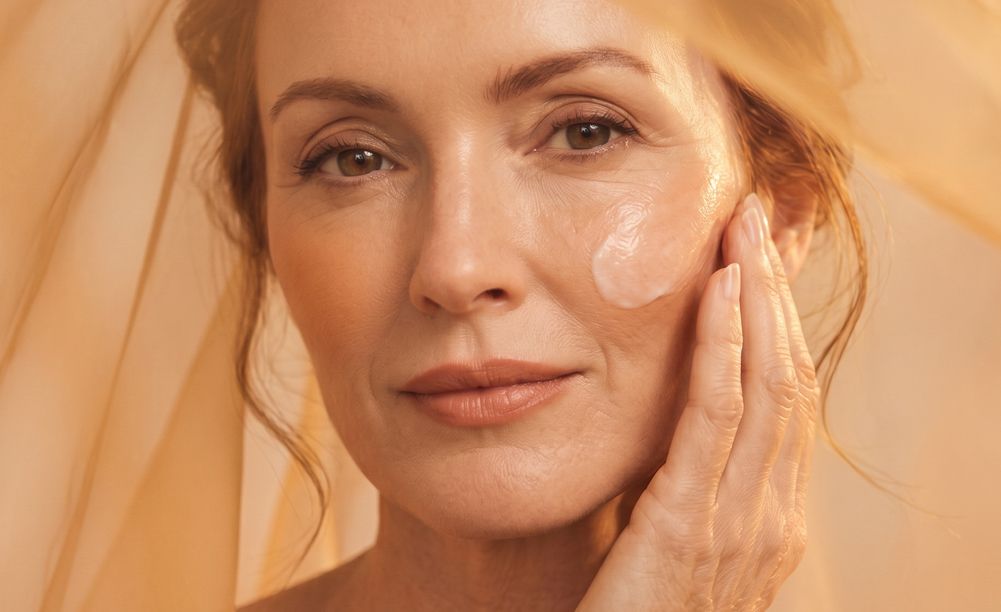
Premenopause is a natural transition stage before menopause, during which the female body gradually begins to produce less estrogen. This change directly affects the quality of the skin: firmness decreases, the skin barrier becomes more vulnerable, and the skin may become drier, more sensitive and more prone to wrinkles.
During the same period, the skin becomes more exposed to internal aging processes, one of the most important being glycation. This process affects collagen and elastin fibers, contributing to loss of elasticity, the appearance of deeper wrinkles and a duller skin tone.
In this article, we explain what happens to the skin during premenopause, how collagen can be supported, which ingredients are worth looking for in cosmetics and how to build an effective skincare routine with products available in the MoonGlow range.
During premenopause, the skin gradually loses elasticity, becomes drier, thinner and more prone to pigmentation, sagging and hormonal imperfections. At the same time, glycation may become more intense — a process in which sugar molecules attach to collagen and elastin fibers, making them stiffer and more fragile.
As a result, the skin loses firmness, looks duller and more tired, and visible wrinkles may appear more easily.
The main factor behind these changes is the decrease in estrogen levels. Estrogen receptors are found in many structures of the body, including the skin, in cells such as fibroblasts and keratinocytes.
When estrogen levels decrease, several important changes occur:
Premenopause does not appear the same way for every woman, but there are several common signs that may indicate hormonal changes and a decline in skin quality:
At this stage, the skin needs a more thoughtful routine, not a more aggressive one. Many mistakes come from the desire to quickly solve dryness, acne or loss of firmness.
Retinoids – support cell renewal, stimulate natural collagen production and help thinner skin look denser and firmer.
Peptides and carnosine – help maintain skin firmness and elasticity. Carnosine is valued for its anti-glycation role, helping protect collagen fibers from stiffness caused by glucose.
Alpha-lipoic acid, also known as thioctic acid – is a powerful antioxidant used in anti-aging formulas to support the skin against oxidative stress and processes associated with glycation.
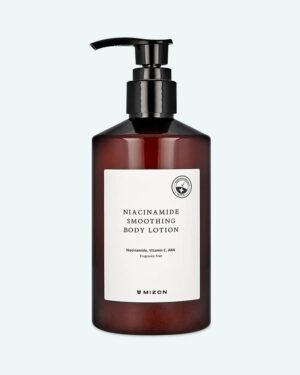
Niacinamide, vitamin B3 – strengthens the skin barrier, helps even out the skin tone, reduces the appearance of pigmentation spots and contributes to a brighter-looking complexion.
Kombucha, fermented black tea – helps the skin look smoother, brighter and more revitalized, making it suitable for dull, tired-looking skin that lacks freshness.
Chelators, such as EDTA – bind metal ions and help reduce oxidative processes that may accentuate skin aging and the effects of glycation.
Phytoestrogens, such as soy extract, clover and pomegranate – are used in cosmetics to support mature skin, contributing to a more elastic, comfortable and well-cared-for appearance.
Antioxidants, such as vitamin C and vitamin E, resveratrol – help neutralize free radicals, support skin radiance and contribute to preventing premature aging.
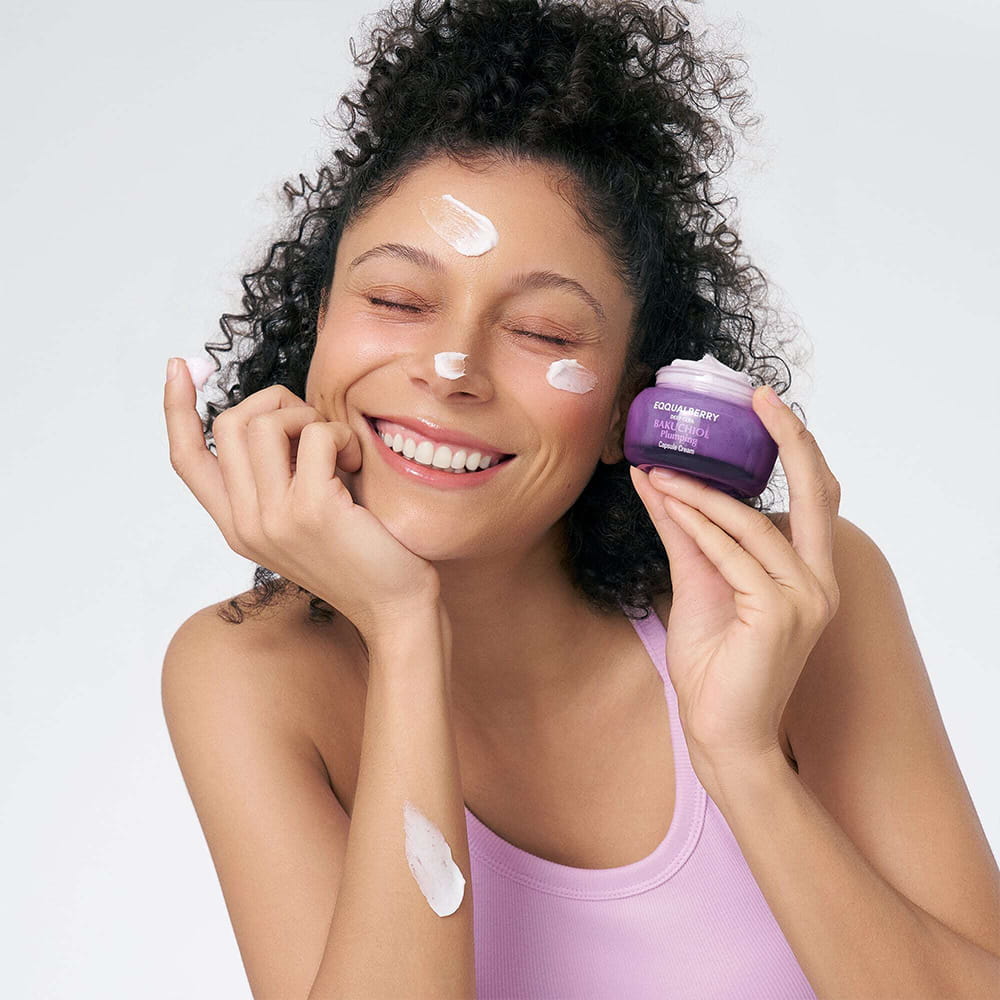
For skin in premenopause, the routine should be gentle but effective. It is recommended to avoid:
When it comes to products based on milk, honey or other sugar-rich ingredients, it is better to choose balanced formulas adapted to your skin type, especially if your skin is thin, sensitive or prone to inflammation.
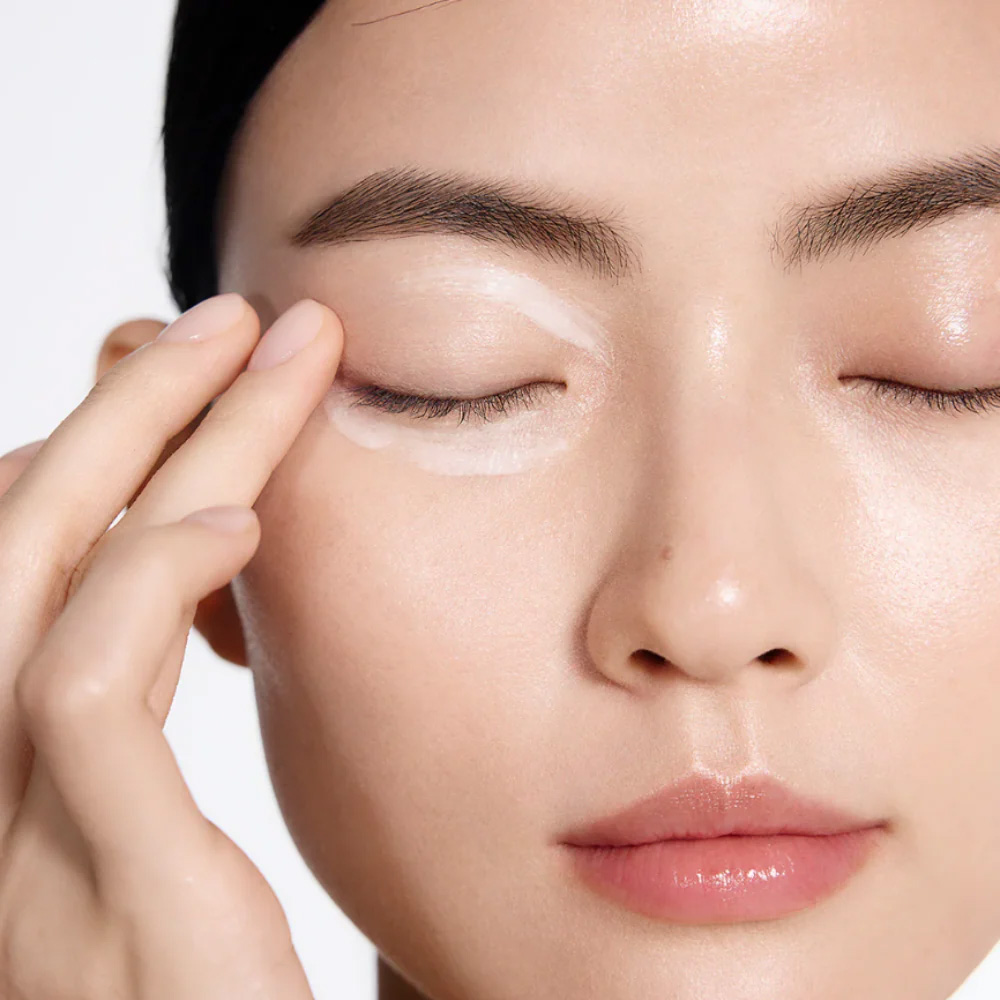
Cosmetic products can visibly support skin quality, but results are better when external skincare is complemented by a balanced lifestyle.
To reduce the impact of glycation on the skin, it is important to pay attention to your diet and sugar intake.
Reducing sugar and simple carbohydrate intake.
Sweets, pastries, sweetened carbonated drinks and excess refined carbohydrates can contribute to blood sugar fluctuations and processes that affect skin quality.
Maintaining a more stable blood sugar level.
A balanced diet with fiber, protein and healthy fats helps the body avoid sudden blood sugar spikes and supports the overall appearance of the skin.
Professional Korean and European skincare products for the premenopause period can be found on the MoonGlow website and in physical stores in Chișinău. Below is a suggested skincare routine.
You no longer need to search for effective anti-aging ingredients in stores from other countries. Products suitable for skincare during premenopause are available in the MoonGlow range, both online and in physical stores in Chișinău.
If you live outside the capital, you can quickly place an order on the website. MoonGlow offers delivery throughout Moldova, so your skincare routine can conveniently arrive directly at your home.
Choose original products, modern formulas and a routine built correctly for your skin’s needs. Take care of your skin’s firmness, radiance and healthy appearance in time, together with MoonGlow.
During premenopause, the skin may become drier, thinner, more sensitive, and more prone to wrinkles or pigmentation spots. These changes are largely related to a decrease in estrogen levels, which affects collagen production, hyaluronic acid levels, and the skin’s ability to maintain firmness.
Glycation is a process in which sugar molecules bind to collagen and elastin fibers. Over time, these fibers can become stiffer and more fragile, causing the skin to lose firmness and radiance. That is why antioxidants, peptides, carnosine, and daily sun protection are important in an anti-aging routine.
A morning routine may include gentle cleansing, a hydrating toner, a serum with peptides, niacinamide or antioxidants, eye cream, face cream, and SPF 50+ sunscreen. The goal is to hydrate the skin, protect the skin barrier, and reduce the impact of external factors on collagen.
It is better to avoid harsh exfoliation, abrasive scrubs, products with alcohol that can dry out the skin, and using too many active ingredients at the same time. At this stage, the skin needs an effective but controlled routine that does not weaken the skin barrier even further.
Yes, retinoids can be integrated into the evening routine, especially if the skin shows signs of loss of firmness, uneven texture, or visible wrinkles. It is important to start gradually — 2–3 times per week, choose a concentration suitable for your skin, and use SPF every morning.

No account yet?
Create an Account









 Face
 Body
 Hair
 Men
 Kids
 Beauty Gadgets
 Vegan
 Ingredients
 Special care
 Other categories


