
Welcome to Glow Club!
Be the first to hear about new products and secret promotions, and receive personalized recommendations from MoonGlow!

Blog
Azelaic Acid: For Redness, Blemishes, and Post-Acne Marks
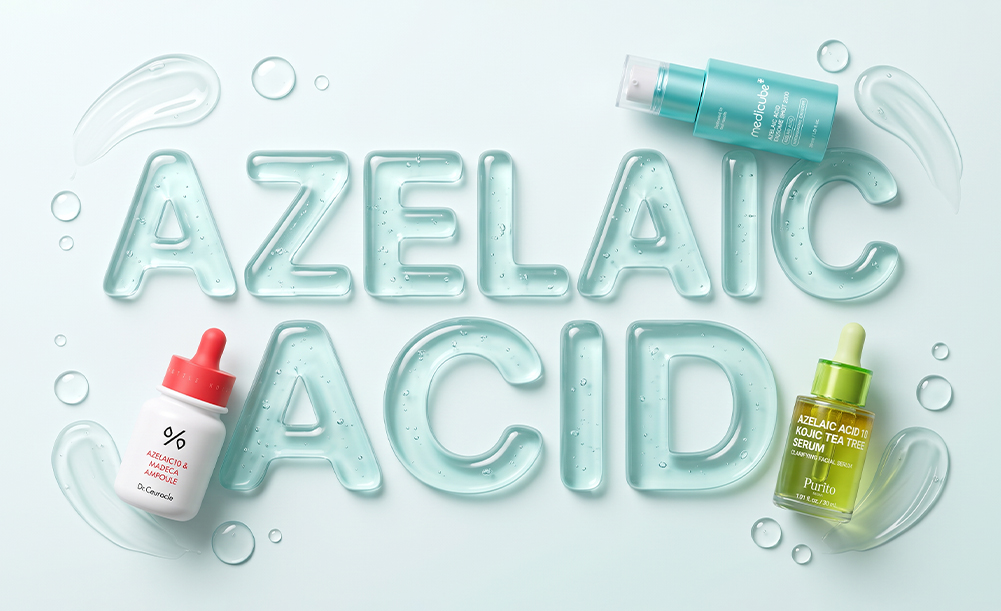
Azelaic acid is a versatile skincare ingredient that can address several skin concerns at once. It is particularly valued in routines for blemish-prone skin, redness, uneven texture, and post-acne marks.
One of its main advantages is its versatility: it can be incorporated into skincare routines for oily or combination skin, as well as sensitive skin, provided the formula and concentration are suitable.
Azelaic acid is a dicarboxylic acid used in skincare products for its ability to promote a more even skin tone, soothe the skin, and care for blemish-prone complexions.
Although it is called an “acid,” it works differently from traditional exfoliating acids such as AHAs and BHAs. Its primary purpose is not intensive exfoliation but the gradual improvement of the skin’s appearance. It helps keep pores clear, reduce the appearance of redness, and promote a more even-looking complexion.

For skin prone to breakouts and blackheads, azelaic acid helps normalize the keratinization process and prevent the buildup of dead skin cells that can contribute to clogged pores.
At the same time, it can be a valuable addition to a skincare routine focused on managing blemishes without the need for aggressive exfoliation.

Azelaic acid is also known for its soothing properties. It can help reduce the appearance of redness and promote a visibly more even skin tone.
This makes it a particularly appealing option for people dealing with sensitivity, redness, and blemishes at the same time, especially when more aggressive exfoliating acid routines are not suitable for their skin.

After a blemish heals, the skin may be left with a red or pigmented mark that can persist for weeks or even months.
Azelaic acid helps promote a more even skin tone and may gradually reduce the appearance of post-acne marks. For better results, it can be incorporated into a skincare routine alongside ingredients such as niacinamide and vitamin C, depending on your skin’s tolerance.
Sun protection is essential at this stage. Without SPF, existing dark spots may take longer to fade or become more noticeable.
Azelaic acid is an ingredient worth considering if your skin experiences:
It can be suitable for oily, combination, normal, and even sensitive skin. However, individual skin tolerance and the product’s formulation are important factors to consider.
These ingredients shouldn’t necessarily be considered direct alternatives to one another.
AHA works primarily on the skin’s surface and is used to improve texture, boost radiance, and remove dead skin cells.
BHA, particularly salicylic acid, is oil-soluble and is especially beneficial for clogged pores, blackheads, and excess sebum.
Azelaic acid offers a more versatile approach when your main concerns include a combination of blemishes, redness, and post-acne marks.
In a well-balanced skincare routine, these ingredients can be used together, but there’s no need to apply them all at the same time.
If you’re using azelaic acid for the first time, introduce it gradually.
Evening:
Makeup Removal/Cleansing → Toner → Azelaic Acid → Moisturizer
Depending on the product’s texture, its exact position in your routine may vary. As a general rule, apply skincare products from the thinnest to the thickest consistency.
For sensitive skin, start by applying azelaic acid 2–3 times per week, then gradually increase the frequency if your skin tolerates it well.
One of the easiest combinations to incorporate into your skincare routine. Niacinamide supports the skin barrier, helps regulate excess sebum, and promotes a more even skin tone, while azelaic acid complements the routine by targeting redness, blemishes, and dark spots.
A simple combination for skin that needs both active ingredients and hydration. Hyaluronic acid helps maintain moisture levels and can make your skincare routine more comfortable.
An excellent choice when your skin barrier needs extra support. Ceramides can be incorporated through a serum or, more simply, through a moisturizer applied after azelaic acid.
These ingredients can be part of the same skincare routine, but for sensitive skin, it may be more comfortable to use them separately: vitamin C in the morning and azelaic acid in the evening.
This combination is possible but is better suited to more experienced skincare users. Both ingredients can help address blemishes, uneven texture, and post-acne marks, but introducing too many active ingredients at once may cause dryness or increased sensitivity.
If you’re just starting out, alternate them on different nights.
This combination may be too intense for some skin types. If you’re already using exfoliating acids, introduce azelaic acid gradually and alternate between products instead of applying all active ingredients on the same night.
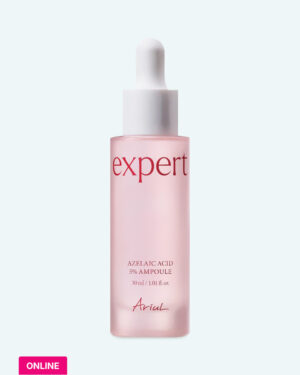
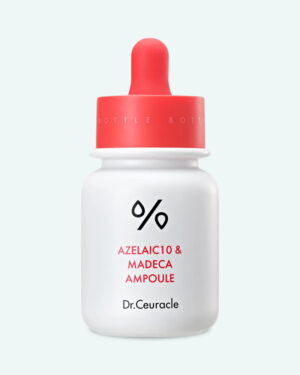
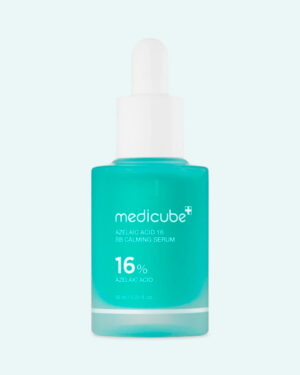
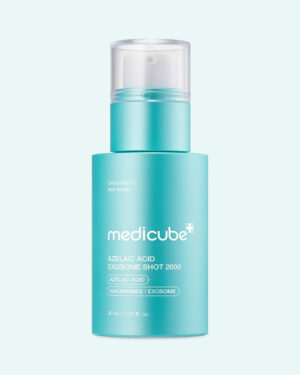
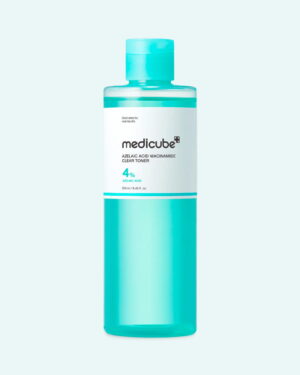
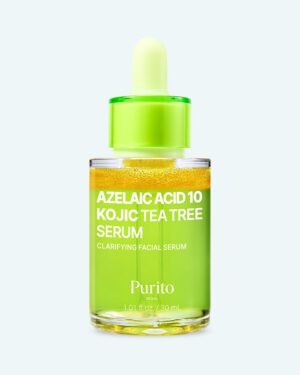
Concentration isn’t the only factor that determines how effective a product is. The overall formulation, the type of azelaic acid derivative used, and the other ingredients in the product all influence how it performs and feels on the skin.
For beginners and those with sensitive skin, skincare formulas with moderate concentrations or azelaic acid derivatives may offer a gentler introduction.
Higher-concentration products require greater attention to individual skin tolerance and the other products in your routine.
More doesn’t automatically mean better. A formula that your skin tolerates well and that you can use consistently is generally more beneficial than a highly potent product that causes irritation and forces you to stop using it.
Azelaic acid is an ingredient that rewards consistency, not one that delivers overnight results.
The first improvements may appear gradually: your skin may look more even, breakouts may become less frequent, and post-acne marks may become less noticeable. Dark spots and uneven skin texture generally require more time and consistent use.
Results vary depending on the concentration, formulation, frequency of use, and your skin’s individual characteristics.
One of the most common mistakes is building a skincare routine with too many active ingredients.
Azelaic acid + retinoids + AHA + BHA + vitamin C doesn’t automatically mean faster results. Such a routine may compromise the skin barrier, leading to dryness, stinging, and increased sensitivity.
Introduce one new product at a time, monitor how your skin responds, and give it time to adjust.
Whether your goal is to reduce blemishes or fade post-acne marks, daily SPF remains an essential step in your skincare routine.
If you’re dealing with redness, blemishes, and post-acne marks at the same time, azelaic acid may be one of the most versatile ingredients worth considering.
It’s not about adding as many active products as possible to your skincare routine. Instead, it’s about choosing ingredients that address multiple skin concerns and building a routine you can follow consistently.
In the MoonGlow catalog, you’ll find products containing azelaic acid, along with complementary formulas for hydration, skin barrier repair, and sun protection, helping you create a skincare routine tailored to your skin’s needs.
Yes, azelaic acid can help reduce blemishes, soothe redness, and gradually fade post-acne marks. It helps prevent clogged pores and promotes a more even skin tone. It can be suitable for various skin types, including sensitive skin, depending on the concentration and formulation. Results develop gradually with consistent use.
Azelaic acid should be applied to clean skin before moisturizer, following the product’s instructions. For beginners or those with sensitive skin, it’s best to introduce it gradually, starting with approximately 2–3 applications per week. If your skin tolerates it well, you can gradually increase the frequency. Use SPF 30–50 sunscreen daily, especially if your goal is to reduce dark spots and hyperpigmentation.
Azelaic acid can be combined with niacinamide, vitamin C, and retinol, but it’s important to adjust your skincare routine according to your skin’s sensitivity. Niacinamide is generally well tolerated alongside azelaic acid. For beginners, vitamin C can be applied in the morning and azelaic acid in the evening. Retinol and azelaic acid can be used on alternate nights to minimize the risk of dryness and irritation.
No account yet?
Create an Account
 Stores
 Payment & Delivery
 Mon-Fri 9:00-18:30

























 Skin Cycling


