
Welcome to Glow Club!
Be the first to hear about new products and secret promotions, and receive personalized recommendations from MoonGlow!
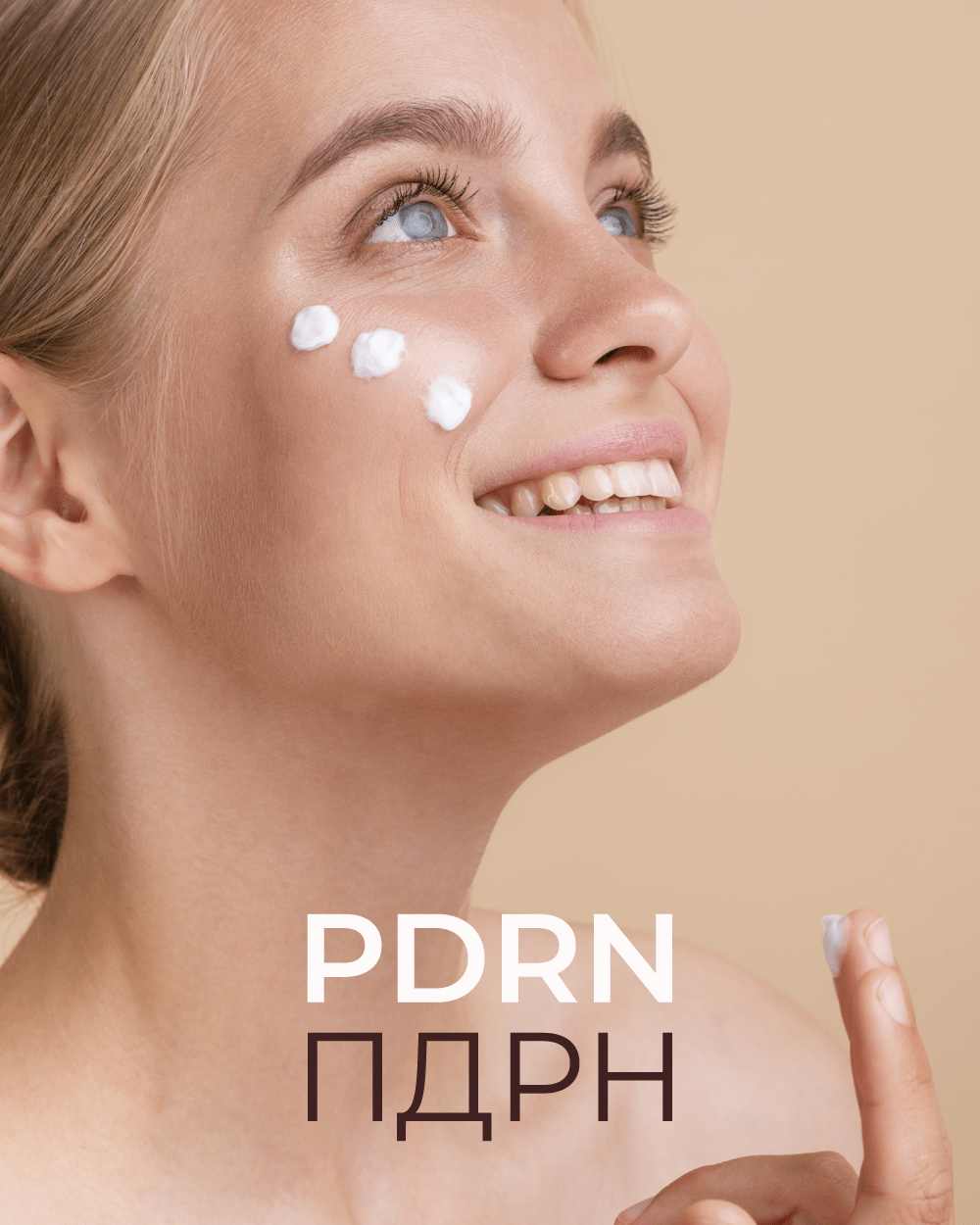

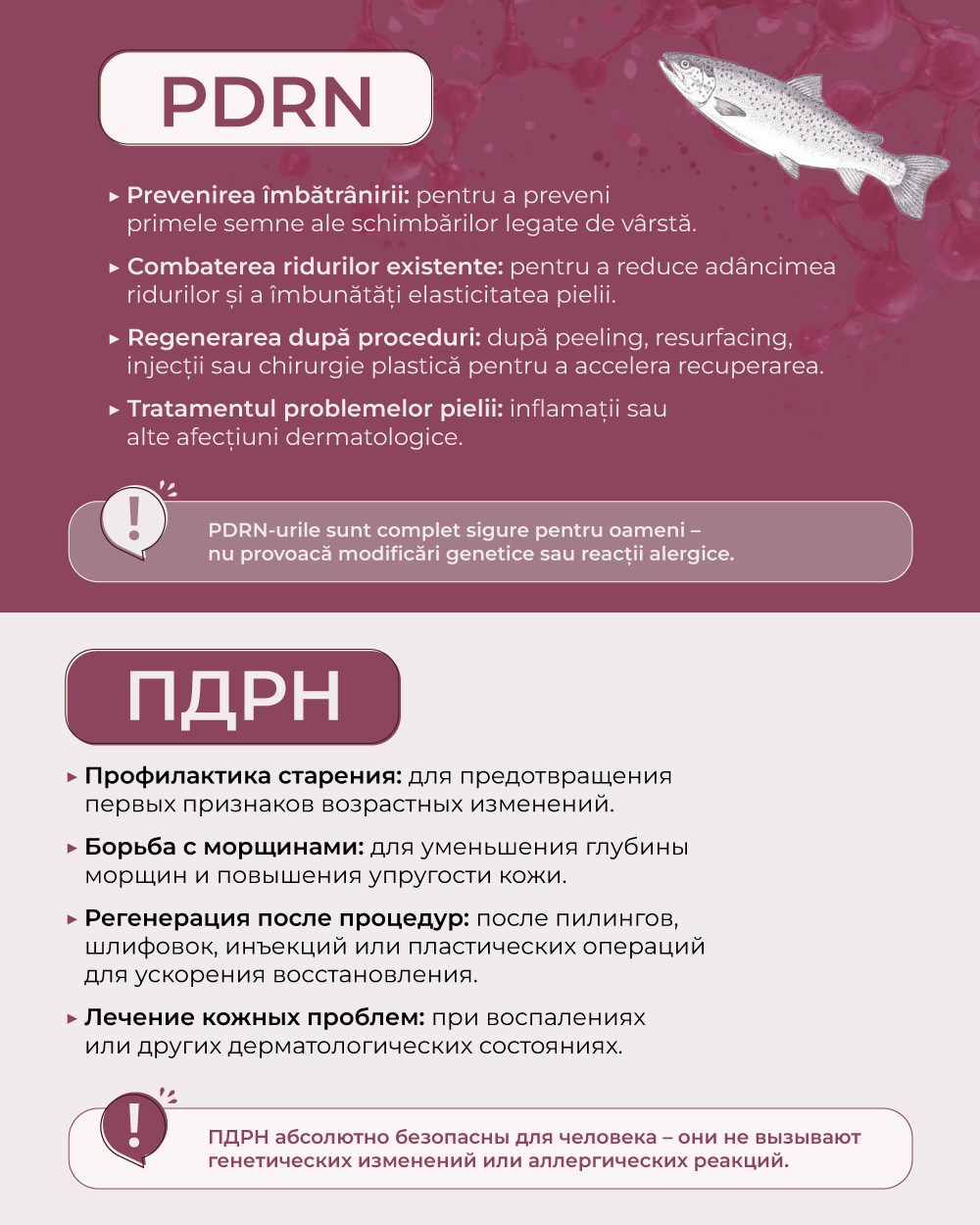
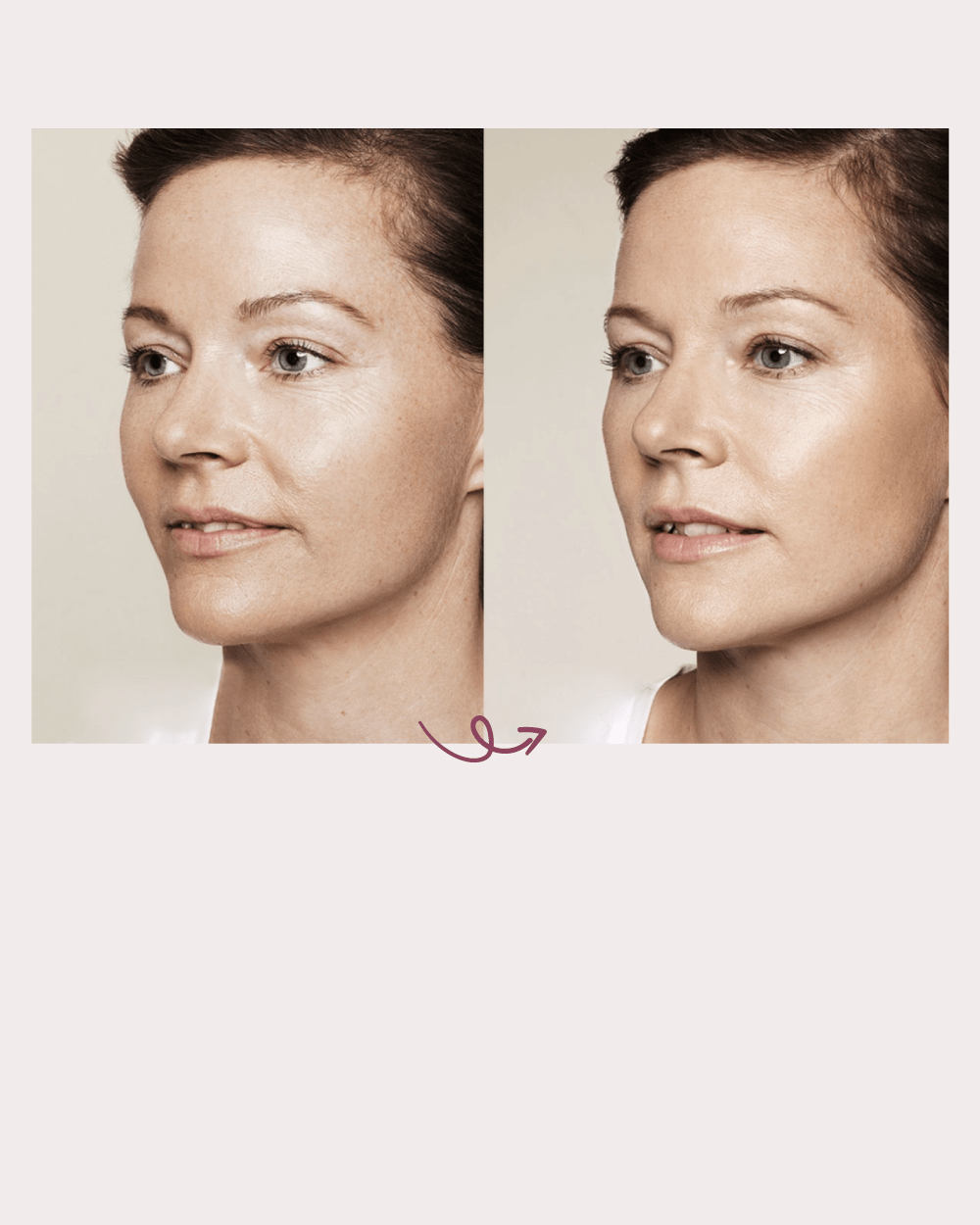
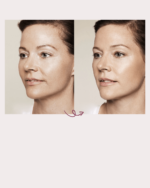
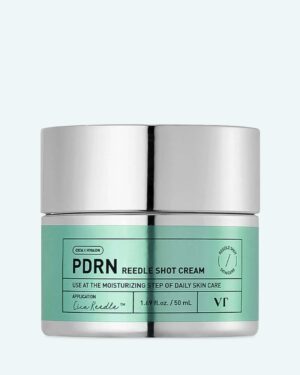
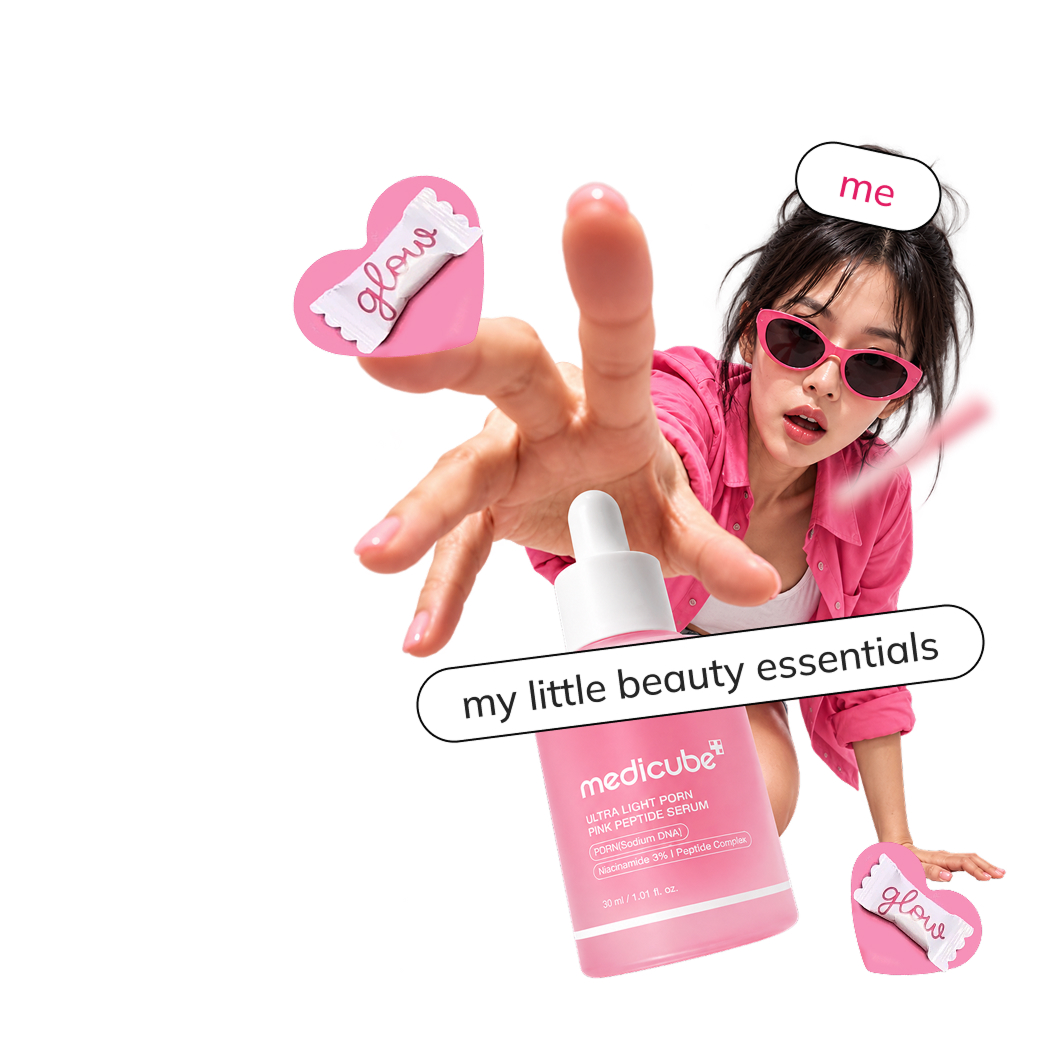
PDRN (polydeoxyribonucleotides or polynucleotides) is a popular ingredient in cosmetology. Initially used exclusively in injections, it is now also included in daily skincare products. It helps prevent aging, fights wrinkles, accelerates skin regeneration, and treats issues like alopecia or hard-to-heal wounds. This guide explores what PDRN is, how it works, who it’s suitable for, and how to combine it with other active ingredients.
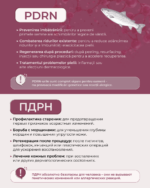
PDRN are DNA fragments that repair skin cells damaged by aging or oxidative stress. They work selectively by replacing destroyed nitrogen bases without altering the genetic code or causing allergic reactions.
PDRN is extracted from fish roe—commonly salmon or sturgeon—due to its high similarity to human DNA. It can also be derived from plant-based sources such as ginseng or green tea.
When fragmented to a size below 500 daltons, PDRN can easily penetrate the skin barrier and reach deeper layers.
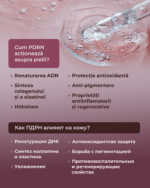
DNA repair: PDRN identifies and repairs damaged DNA in aged skin cells, restoring firmness and elasticity, reducing wrinkle depth, and combating sagging.
Stimulates collagen and elastin production: Polynucleotides boost the production of these essential proteins, strengthening the skin’s structure.
Deep hydration: Thanks to their moisturizing properties, the skin becomes softer, smoother, and well-nourished.
Antioxidant protection: PDRN neutralizes free radicals, slowing down the aging process.
Reduces pigmentation: By inhibiting tyrosinase and melanin production, it helps fade dark spots and even out skin tone.
Anti-inflammatory and regenerative effect: It accelerates tissue healing and reduces inflammation, making it ideal after aggressive cosmetic procedures.
People focused on preventing aging: If you’re over 25–30 and want to delay wrinkles or maintain skin elasticity, PDRN is a great choice.
Those with mature skin: For visible wrinkles, loss of firmness or sagging, PDRN revitalizes and regenerates the skin.
Sensitive or damaged skin: Due to its soothing and healing properties, it works well for irritated or inflamed skin and minor wounds.
After cosmetic procedures: Perfect for recovery after chemical peels, microdermabrasion, injections, or aesthetic surgery.
Specific skin concerns: Useful for post-inflammatory pigmentation, acne scars, or alopecia.
❗ Note: If you have highly reactive skin or serious skin conditions (eczema, psoriasis), consult a dermatologist before use.
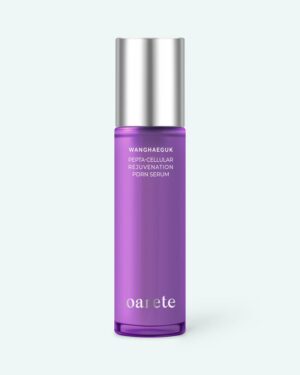
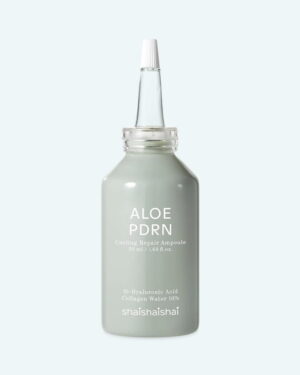
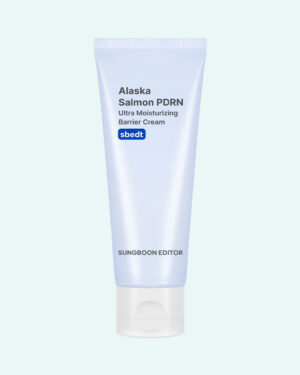
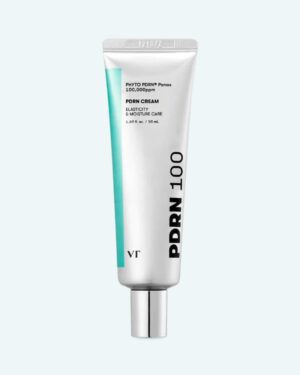
PDRN is available in creams, serums, and masks. On the ingredient list, look for Sodium DNA, DNA-Na, or Hydrolyzed DNA. The usual concentration ranges between 0.1% and 3%, which is sufficient for visible results.
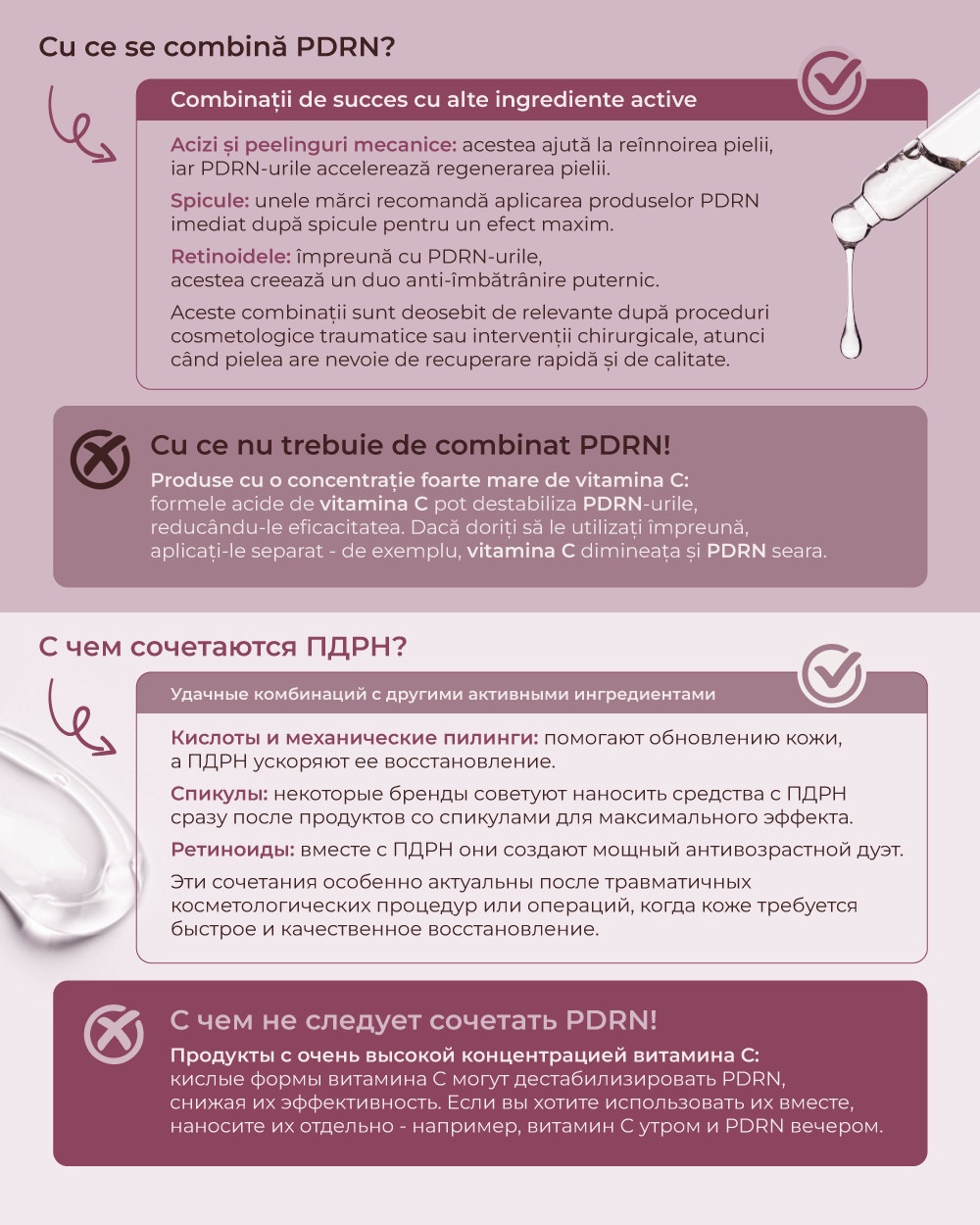
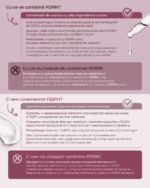
Exfoliating acids (AHA/BHA): Glycolic or salicylic acid removes dead skin cells, while PDRN supports regeneration.
➤ Apply the acid, wait 15–20 minutes, then apply PDRN.
Retinoids: Retinol stimulates collagen, and PDRN calms and repairs the skin.
➤ Apply retinol at night, wait 10–15 minutes, then follow with PDRN.
Spicules: Micro-injuries from spicules heal faster when followed by PDRN application.
➤ Ideal for boosting recovery and reducing inflammation.
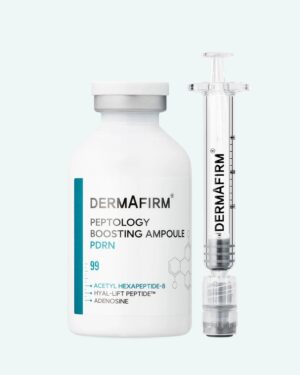
Peptides: Together with PDRN, they enhance skin firmness and elasticity.
Hyaluronic acid: Deep hydration combined with PDRN gives plump, smooth skin.
Niacinamide: Works alongside PDRN to even out skin tone and reduce sensitivity.
Vitamin C in acidic forms: Pure ascorbic acid can destabilize PDRN.
➤ Apply separately — Vitamin C in the morning, PDRN in the evening.
PDRN + Spicules:
▸ Evening: apply spicules in a serum (step 1), then follow with a PDRN cream (step 2).
▸ Tip: 1–2 times/week + hydrating cream (step 3).
PDRN + Retinol:
▸ Evening: apply retinol serum after cleansing (step 1), wait 10–15 min, then apply PDRN cream (step 2).
▸ Tip: start with 0.2–0.5% retinol, every other night if skin is sensitive.
PDRN + Acids (AHA/BHA):
▸ Evening: apply acids in a serum (step 1), wait 15–20 min, then PDRN cream (step 2).
▸ Tip: acids 1–2 times/week, PDRN more frequently, don’t mix directly.
PDRN + Peptides:
▸ Morning: peptides in serum (step 1), evening: PDRN serum or cream (step 1), or combined in one serum.
▸ Tip: great for daily use, especially for mature skin.
PDRN + Hyaluronic acid:
▸ Evening: PDRN in serum (step 1), then hyaluronic acid in cream (step 2), or combined in one product.
▸ Tip: daily use, especially for dry skin.
PDRN + Niacinamide:
▸ Morning: niacinamide serum (step 1), evening: PDRN cream (step 1) or both together in a serum.
▸ Tip: daily use, excellent for sensitive skin.
PDRN + Gentle antioxidants:
▸ Morning: antioxidant serum (step 1), evening: PDRN cream (step 1), or use both together in the morning.
▸ Tip: daily use to prevent aging.
PDRN also works perfectly on its own, without needing to be combined with other actives.
— In serums, it’s great in the morning as a regenerative and antioxidant base under SPF.
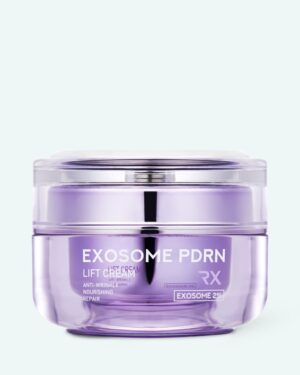
— In creams, it’s ideal for nighttime use to hydrate and repair the skin while you sleep.
Delivery within Chisinau (including from Moonglow stores) is free for orders over 199 MDL. For orders up to 199 MDL, delivery costs 50 MDL.
Delivery within the Republic of Moldova outside Chisinau: 75 MDL for orders up to 450 MDL;
FREE delivery within the Republic of Moldova outside Chisinau for orders from 450 MDL.
Delivery time in Chisinau is 24–36 hours on business days.
If you need urgent delivery within 2–3 hours in Chisinau, select the Express Delivery option when placing your order, and an extra 100 MDL will be added to the total.
Orders placed on weekends, public holidays or after 15:00 are processed on the next business day.
Important: during peak periods such as Black Friday, Christmas or seasonal sales, delivery times may be longer.
Express Delivery (2–3 hours) is available for orders placed between 9:00 and 15:00 on business days!
Payment methods:
Discounts are valid online only. Discounts over 14% are applied to the original price of the products, online only.
Discounts cannot be combined!
For more information, please read our Terms and Conditions.
 0
People watching this product now!
You can buy original Korean cosmetics at Moonglow, the official distributor of Korean cosmetics in the Republic of Moldova. Order online at moonglow.md or visit one of the 9 Moonglow stores: 6 in Chisinau and one each in Balti, Comrat and Tiraspol.
All Moonglow products are 100% original. We source them directly from manufacturers in South Korea or from their official partners. Moonglow is the exclusive distributor for 48 brands and an official distributor for 34 more. We can send you the certificates of conformity and quality on request.
Delivery in Chisinau is free for orders over 199 MDL. Smaller orders cost 50 MDL to deliver. Your order arrives within 24–36 hours on business days. If you need it urgently, choose Express Delivery: 2–3 hours for an extra 100 MDL, for orders placed between 9:00 and 15:00 on business days.
Yes. We deliver anywhere in the Republic of Moldova within 2–3 business days. Delivery is free for orders from 450 MDL, and smaller orders cost 75 MDL to deliver. Parcels can also be sent via Posta Moldovei. We also ship abroad, including to Romania and the European Union. The cost depends on the parcel's weight, and our operator will confirm it with you.
You can get the -18% promo code in two ways:
Enter the code at checkout in the “Promo code” field and click “Apply”. The discount is calculated from the original price of the products, is valid online only and cannot be combined with other promotions. If you can't find the email, check your Spam and Promotions folders.
Yes. If you've added products to your cart but haven't completed your order, we'll email you a -16% promo code. Use it to complete the order from your saved cart: open your cart, enter the code in the “Promo code” field and place your order.
For your birthday, you get a -20% promo code. We'll email it to you 7 days before your birthday, and it's valid for 14 days. You can use it for online purchases.
To receive the code, fill in and confirm your date of birth in your profile on moonglow.md. If you can't find the email, check your Spam and Promotions folders or message us in the chat on our website.
Online, you can pay with any Visa or Mastercard (including LiberCard and Gama cards), via MIA, PayPal, Google Pay, Apple Pay or Up Cadou. You can pay the courier in cash or by card. Store pickup orders can only be paid online.
Yes. Consultations are free in any Moonglow store and online, in the chat on our website. Our cosmetologist consultants will determine your skin and hair type and put together a morning and evening routine for you. In our stores, we also use devices to analyze your skin and scalp.
On our website, all products already come with a 14% discount, valid online only. In our physical stores, you get your loyalty card discount. If you bring in an empty package for recycling, you get an extra 3% off, or 5% if you don't have a loyalty card.
BeautyCoins are Moonglow's own reward currency, created to thank you for your loyalty.
How to earn BeautyCoins:
How to use BeautyCoins:
Moonglow carries over 140 brands, including Beauty of Joseon, COSRX, Anua, SKIN1004, Medicube, Torriden, Round Lab, TIRTIR, Dr.Ceuracle, ma:nyo, PURITO SEOUL. See the full list of brands.
Moonglow stores are open 7 days a week:
You'll find the address, phone number and opening hours of each store on our Contact page. Customer support: +373 69 417 415 (Monday–Friday, 09:00–18:30).
Start with three basic steps: a gentle cleanser, a moisturizer suited to your skin type and SPF 50+ sunscreen every morning. After 2–3 weeks, you can add a toner or a serum to target the concern that bothers you most. If you're not sure what to choose, ask for a free consultation.

Share
You must be logged in to post a review.

Check this out!


Previously...
No account yet?
Create an Account
 Stores
 Payment & Delivery
 Mon-Fri 9:00-18:30





















 Skin Cycling


Reviews
There are no reviews yet.